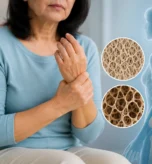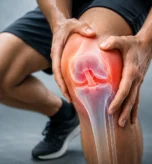

As we cross the age of 40, our joints start to feel the impact of years of movement, physical activity and sometimes neglect. Stiffness in the morning, occasional knee or back pain and reduced flexibility are early warning signs that our joints need more care. The good news is, with the right lifestyle habits, you can keep your joints healthy, delay arthritis, and continue enjoying an active life.
At Amuka Orthopedic Clinic in Hyderabad, we see many patients who could have avoided severe joint problems with early preventive care. In this blog, we’ll share seven science-backed daily habits that can strengthen your joints, prevent arthritis, and reduce pain naturally.
1. Stay Physically Active with Low-Impact Exercises
Movement is medicine for your joints. Regular exercise lubricates the joints, strengthens the muscles around them, and maintains flexibility.
Best exercises for joint health:
- Walking: 20-30 minutes daily keeps your knees and hips active.
- Swimming or Water Aerobics: Low-impact and easy on the joints.
- Cycling: Strengthens leg muscles without putting excess pressure on knees.
- Yoga and Stretching: Improves flexibility and posture.
- Strength Training: Light weights or resistance bands to maintain muscle support.
Tip: Avoid high-impact exercises like jumping or running on hard surfaces if you already experience knee or hip discomfort.
Expert Tip from Amuka Orthopedic Clinic: Patients in Hyderabad with early signs of knee pain often benefit from a guided physiotherapy plan that combines light cardio and strengthening exercises.

2. Maintain a Healthy Weight
Excess weight puts tremendous pressure on your knees, hips, and lower back. In fact, every extra kilogram adds nearly 4 kg of stress on the knees.
Benefits of maintaining a healthy weight:
- Reduces risk of osteoarthritis
- Prevents cartilage wear and tear
- Improves mobility and posture
Quick Lifestyle Tips:
- Avoid sugary beverages and processed foods.
- Include high-protein meals and fiber-rich vegetables.
- Opt for short walks after meals to boost metabolism.
If you are struggling with knee or hip pain due to obesity, weight management programs combined with physiotherapy at a local orthopedic clinic like Amuka in Hyderabad can speed up recovery.
3. Eat a Joint-Friendly Diet
Your diet can make or break your joint health. Nutrients like calcium, vitamin D, omega-3 fatty acids, and antioxidants play a key role in keeping joints lubricated and bones strong.
Foods for stronger joints:
- Fatty Fish (Salmon, Sardines) – Rich in Omega-3 for reducing joint inflammation.
- Leafy Greens (Spinach, Kale) – Packed with calcium and vitamin K for bone health.
- Nuts and Seeds (Almonds, Walnuts, Flaxseeds) – Reduce inflammatory markers.
- Citrus Fruits (Oranges, Lemons) – Boost collagen production with Vitamin C.
- Dairy Products (Milk, Yogurt, Paneer) – Strengthen bones with calcium.
Avoid: Deep-fried foods, excessive sugar, and high-salt packaged snacks which worsen inflammation.
Amuka’s Local Insight: Many patients in Hyderabad experience vitamin D deficiency, which can accelerate joint problems. A simple blood test and supplementation plan can make a big difference.

4. Practice Proper Posture and Ergonomics
Joint pain often comes not from aging, but from years of poor posture and repetitive strain.
Workplace Habits:
- Keep your computer screen at eye level.
- Use a lumbar support chair.
- Take a 2-minute stretch break every hour.
- Avoid sitting cross-legged for long periods.
- Don’t lift heavy objects with your back; bend your knees instead.
- Use firm mattresses and supportive pillows to maintain spinal alignment.
Correcting posture reduces unnecessary stress on the spine, hips, and knees, preventing long-term orthopedic issues.
5. Stay Hydrated to Lubricate Joints
Your joint cartilage is 70-80% water, and staying hydrated ensures proper lubrication and shock absorption.
Hydration Checklist:
- Drink 8-10 glasses of water daily.
- Include soups, coconut water, and fresh juices.
- Limit excess caffeine and alcohol, as they dehydrate the body.
6. Avoid Overuse and Protect Your Joints
After 40, our joints take longer to recover from stress. Overusing or straining them can accelerate wear and tear.
Daily Protection Tips:
- Use knee or wrist supports if you do heavy lifting.
- Wear cushioned shoes for walking or running.
- Warm up before exercises and cool down afterward.
- Listen to your body – don’t ignore pain or swelling.
If pain persists for more than a week, it’s time to consult an orthopedic doctor in Hyderabad for proper evaluation.
7. Get Regular Orthopedic Check-Ups
Preventive check-ups after 40 are crucial to detect early signs of arthritis, osteoporosis, and joint degeneration.
Benefits of a preventive orthopedic visit:
- Early detection of joint wear & tear
- Personalized exercise and diet advice
- Timely intervention to prevent surgery in the future

At Amuka Orthopedic Clinic, our specialists use X-rays, MRI scans, and joint assessments to create personalized treatment plans for patients in Hyderabad.
When to See an Orthopedic Doctor in Hyderabad
Seek medical attention if you experience:
- Persistent knee, hip, or shoulder pain
- Morning stiffness lasting more than 30 minutes
- Swelling, redness, or warmth around joints
- Cracking or popping sounds with pain
- Difficulty in climbing stairs or walking long distances
Early consultation can prevent minor joint issues from becoming severe arthritis.
Conclusion
Your joints are your lifelong companions—taking care of them after 40 ensures mobility, independence, and pain-free living. By adopting these seven daily habits, you can keep your joints strong, prevent arthritis, and avoid unnecessary surgeries.
If you are in Hyderabad and want a personalized joint care plan, visit Amuka Orthopedic Clinic.
Our team of expert orthopedic doctors specializes in joint pain treatment, sports injuries, fracture care and knee replacement surgeries to help you stay active for years to come.