
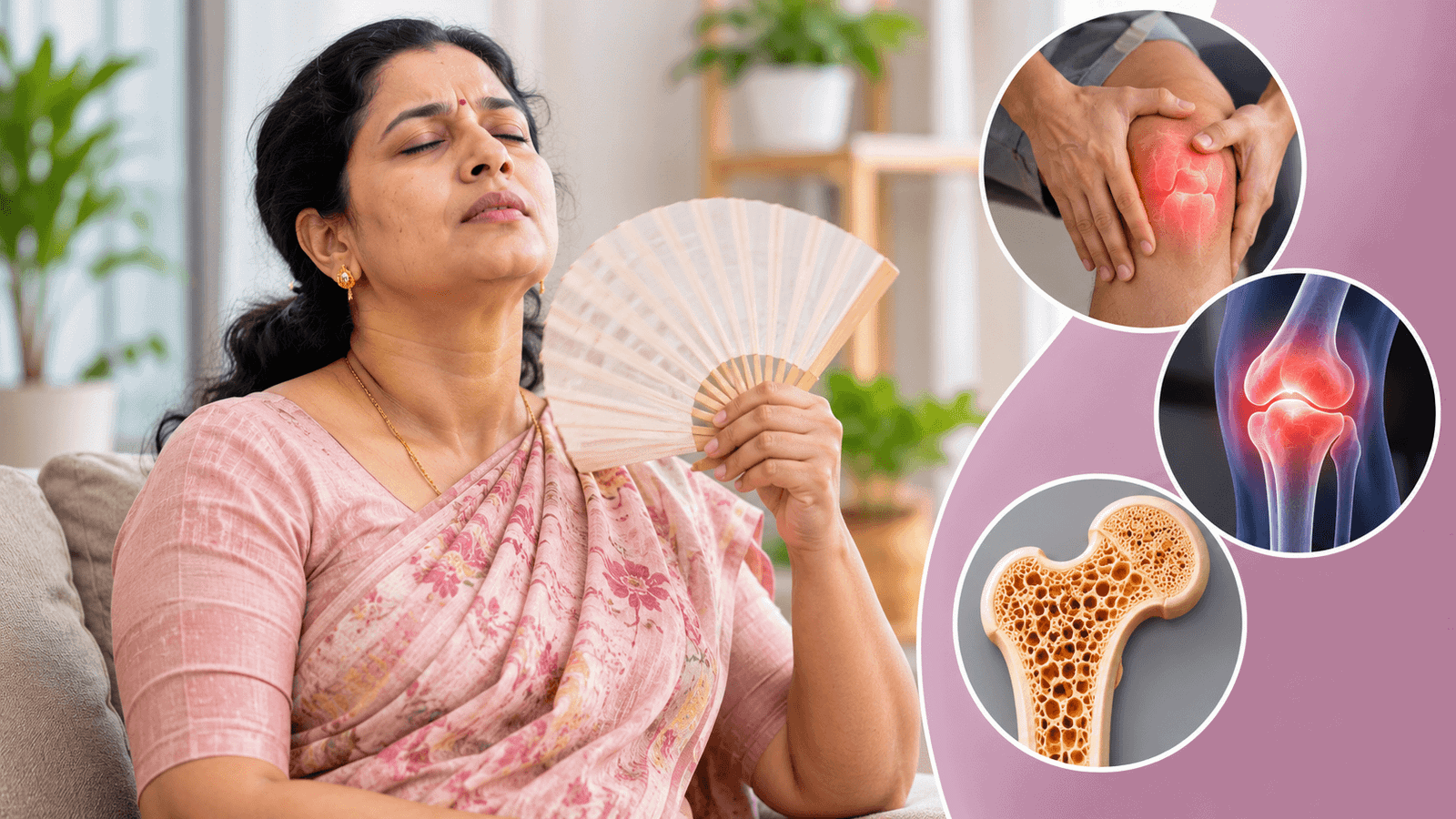
Menopause is a natural stage of life that brings significant hormonal changes. While hot flashes and irregular periods are commonly associated with menopause, many women also experience joint pain, muscle aches, sleep problems, mood changes, fatigue and changes in bone health.
Joint pain during menopause is particularly important because declining estrogen levels can affect muscles, joints and bone density. However, not every type of joint pain should automatically be attributed to menopause. Persistent or severe pain may have another underlying cause and may require evaluation by an orthopedic specialist.
At Amuka Orthopedic Clinic in Hyderabad, women experiencing persistent knee, hip, shoulder or other joint problems can receive an appropriate orthopedic evaluation and treatment plan.
What Is Menopause?
Menopause is the stage when a woman permanently stops having menstrual periods because of declining ovarian hormone production. Menopause is generally confirmed after 12 consecutive months without a menstrual period when there is no other explanation.
The transition leading up to menopause is called perimenopause. During this period, hormone levels fluctuate and symptoms can appear gradually. Menopause commonly occurs between the ages of 45 and 55, although it can happen earlier.
Symptoms vary significantly from one woman to another. Some women experience only mild symptoms, while others may have symptoms that significantly affect sleep, work, physical activity and quality of life.
Common Symptoms of Menopause
Menopause can affect several aspects of physical and emotional health. Common symptoms include:
- Hot flashes or hot flushes
- Night sweats
- Irregular or changing menstrual periods
- Sleep difficulties
- Mood changes and anxiety
- Difficulty concentrating or brain fog
- Fatigue
- Vaginal dryness
- Reduced sexual desire
- Headaches or migraines
- Heart palpitations
- Muscle aches
- Joint pain and stiffness
- Weight and body composition changes
- Changes in bone density
Not every woman experiences all of these symptoms, and their severity can change throughout the menopause transition.
Hot Flashes During Menopause
Hot flashes are among the most recognizable symptoms of menopause. A hot flash can cause a sudden sensation of heat, commonly affecting the face, neck and chest. Sweating, flushing, dizziness, anxiety or noticeable heartbeats may occur at the same time.
Hot flashes may happen during the day or at night. When they occur during sleep, they are often called night sweats. Frequent night sweats can disturb sleep and contribute to daytime fatigue and irritability.
What Can Trigger Hot Flashes?
Triggers vary between individuals, but some women notice that hot flashes become more frequent with:
- Hot drinks
- Spicy foods
- Caffeine
- Alcohol
- Smoking
- Stress
- Warm environments
Keeping the bedroom cool, wearing lightweight clothing, exercising regularly and identifying personal triggers may help reduce the impact of hot flashes.
Why Does Menopause Cause Joint Pain?
Joint pain and muscle aches can occur during perimenopause and menopause. One important factor is the decline in estrogen. Estrogen has several effects throughout the body, and changes in hormone levels may contribute to musculoskeletal symptoms.
Women may notice aching or stiffness in areas such as the:
- Knees
- Hips
- Shoulders
- Hands and fingers
- Wrists
- Feet and ankles
- Lower back
Some women notice stiffness after waking up or after remaining inactive for a period of time. Others experience discomfort during walking, climbing stairs or other physical activities.
Menopause can contribute to joint aches, but it is important not to assume that every joint problem is caused by hormonal changes. Conditions such as osteoarthritis, rheumatoid arthritis, tendon problems, injuries and other musculoskeletal disorders can also cause joint pain.
Menopause and Knee Pain
Knee pain may become more noticeable around midlife. Changes in body weight, activity levels, muscle strength and hormonal changes can all influence how the knees feel.
If knee pain is mild and occasional, maintaining regular physical activity and strengthening the muscles around the knee may help. However, persistent pain, swelling or stiffness should not simply be dismissed as a menopause symptom.
At Amuka, persistent knee problems can be evaluated to determine whether the symptoms are related to age-related joint changes, osteoarthritis, injury or another orthopedic condition.
Menopause and Hip Pain
Hip discomfort can also occur during midlife. Hip pain may result from joint degeneration, bursitis, tendon problems, muscle weakness or other conditions.
Pain that makes walking difficult, interferes with sleep or continues despite rest deserves medical attention. An orthopedic evaluation can help identify the actual source of hip pain rather than assuming that menopause is the only cause.
Menopause and Bone Health
Bone health becomes especially important during and after menopause. The decline in estrogen can contribute to loss of bone density, increasing the risk of osteoporosis over time.
Osteoporosis can develop silently because it may not cause obvious symptoms until a fracture occurs. This makes preventive care important for women as they age.
Regular weight-bearing and resistance exercises, adequate calcium intake, vitamin D and other healthy lifestyle measures can support bone health. Depending on individual risk factors, a doctor may recommend assessment of bone density or other investigations.
Women with concerns about osteoporosis or persistent musculoskeletal symptoms can also consult the Rheumatology & Osteoporosis services at Amuka for appropriate evaluation.
How Can You Manage Menopause-Related Joint Pain?
Management depends on the underlying cause and severity of the symptoms. Some general measures that may help include:
- Stay physically active with exercises appropriate for your fitness level.
- Include strength and resistance exercises to maintain muscle support around joints.
- Choose low-impact activities such as walking, cycling or swimming when appropriate.
- Maintain a healthy body weight to reduce unnecessary stress on weight-bearing joints.
- Eat a balanced diet with adequate calcium and other essential nutrients.
- Prioritize adequate sleep and recovery.
- Avoid smoking and limit alcohol consumption.
- Seek medical advice before starting supplements or long-term medications.
Regular exercise is particularly useful because it can support muscle strength, joint function and bone health.
When Should You See an Orthopedic Doctor?
Joint pain during menopause should not automatically be considered normal. You should consider an orthopedic consultation if:
- Joint pain continues for several weeks.
- Pain is getting progressively worse.
- Pain interferes with walking, climbing stairs or daily activities.
- Joint stiffness is persistent or significant.
- A joint becomes swollen.
- You experience repeated episodes of joint pain.
- You have difficulty putting weight on the affected leg.
- Pain regularly wakes you from sleep.
- You develop symptoms after an injury or fall.
Persistent joint pain may require a physical examination and, depending on the symptoms, investigations such as X-rays or other imaging. The goal is to identify the actual cause and recommend appropriate treatment.
When Should You See a Gynecologist or Physician?
Menopause symptoms can affect many areas beyond the joints. A gynecologist or physician can help assess symptoms such as troublesome hot flashes, sleep problems, mood changes, vaginal symptoms or other concerns and discuss appropriate treatment options.
Hormone therapy and non-hormonal treatments may be considered depending on your symptoms, medical history, age and individual risks. Treatment should be personalized rather than started without medical guidance.
Do Not Ignore Bleeding After Menopause
Any vaginal bleeding after menopause should be medically evaluated. This includes light spotting or a small amount of pink or brown discharge after you have gone 12 months without a period.
Although postmenopausal bleeding is not usually caused by something serious, it can sometimes be a sign of an underlying condition that needs treatment. Early evaluation is important.
Menopause and Joint Pain: What Women Should Remember
Menopause is a natural biological transition, but persistent pain should not simply be accepted as something you have to live with.
Hot flashes, night sweats, sleep problems, mood changes and joint aches can all occur during menopause. At the same time, conditions such as osteoarthritis, osteoporosis and other orthopedic problems may develop during the same stage of life.
Understanding the difference can help women seek the right care at the right time.
Why Choose Amuka Orthopedic Clinic for Joint Problems?
At Amuka Orthopedic Clinic in Hyderabad, patients with persistent bone, joint and musculoskeletal problems can receive specialist orthopedic assessment and individualized treatment.
Depending on the condition, treatment may include medication, physiotherapy, activity modification, rehabilitation, injections or surgical management when necessary. The focus is on identifying the underlying cause of pain and helping patients maintain mobility and quality of life.
For women experiencing persistent knee, hip, shoulder or other joint symptoms during or after menopause, an orthopedic evaluation can help determine whether the pain is related to menopause, arthritis, osteoporosis or another musculoskeletal condition.
Frequently Asked Questions
Is joint pain a normal symptom of menopause?
Joint pain and muscle aches can occur during menopause. However, persistent, severe or worsening pain should be evaluated because arthritis, injury and other orthopedic conditions can cause similar symptoms.
Can menopause cause knee pain?
Menopause may contribute to joint aches and stiffness, including knee discomfort. However, knee pain can also result from osteoarthritis, injuries or other conditions, so persistent symptoms should be assessed by an orthopedic specialist.
Does menopause increase the risk of osteoporosis?
The reduction in estrogen associated with menopause can contribute to bone loss and increase the risk of osteoporosis. Exercise, adequate nutrition and appropriate medical assessment can help protect long-term bone health.
When should I see a doctor for menopause symptoms?
Speak with a doctor if symptoms are affecting your sleep, work, relationships or daily activities, or if you are concerned about them. Medical advice is especially important for unusual bleeding, severe symptoms or symptoms that begin unusually early.
When should I see an orthopedic doctor for menopause-related joint pain?
Consider an orthopedic consultation if joint pain persists, worsens, causes swelling or stiffness, affects mobility or interferes with sleep and daily activities. At Amuka Orthopedic Clinic, the cause of joint pain can be evaluated and an appropriate treatment plan recommended.
Conclusion
Menopause involves much more than hot flashes. Joint pain, muscle aches, stiffness and changes in bone health can also become important concerns during this stage of life.
While some symptoms may be managed with lifestyle changes and medical treatment, persistent joint pain should not automatically be blamed on menopause. Conditions such as osteoarthritis, osteoporosis and other orthopedic problems can require specific evaluation and treatment.
If you are experiencing ongoing knee, hip, shoulder or other joint pain in Hyderabad, consult Amuka Orthopedic Clinic for a professional orthopedic assessment and personalized care.