
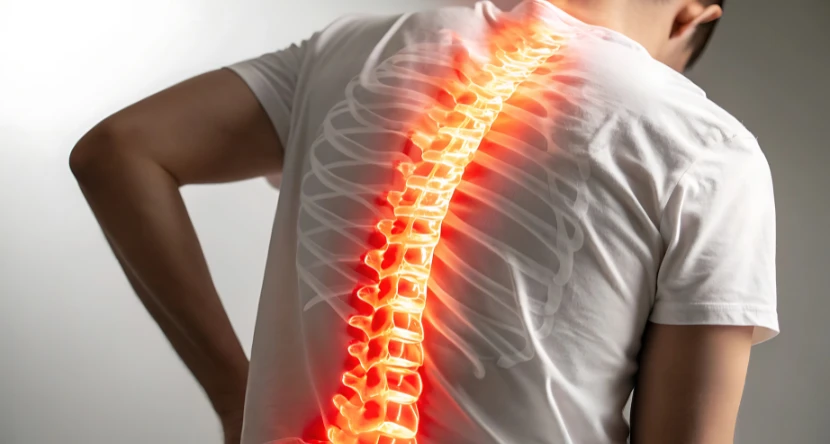
Your spine is the foundation of your body’s strength, balance, and flexibility. It supports every movement you make—from sitting and walking to lifting and bending. Yet, most people overlook spinal health until pain becomes unbearable. Ignoring early warning signs of spine issues can lead to chronic back pain, nerve compression, and even permanent mobility problems.
At Amuka Orthopedic Clinic in Hyderabad, our spine specialists emphasize early diagnosis and preventive care. Recognizing the symptoms early can help you avoid major complications and keep your spine healthy for years.
Why Spine Health Matters
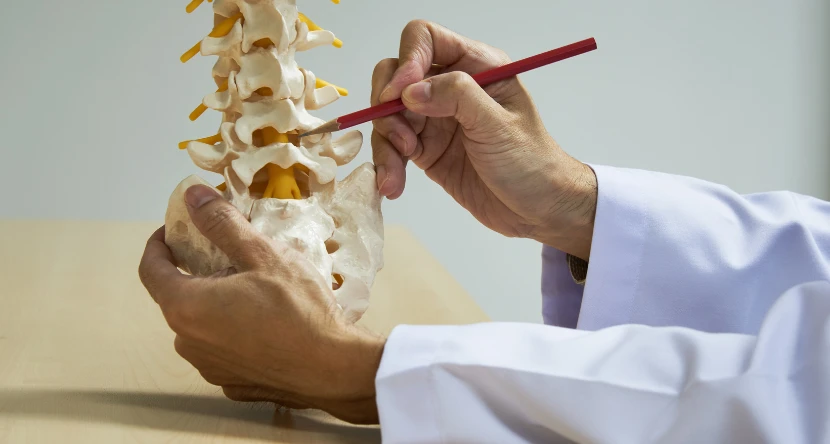
The human spine is a complex structure made of 33 vertebrae, intervertebral discs, muscles, and ligaments. It protects the spinal cord and helps maintain posture. When any part of this system becomes weak or injured, it can affect your entire body—causing pain, numbness, or restricted movement.
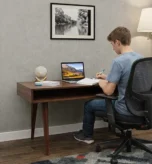
In today’s sedentary lifestyle, spine problems are becoming increasingly common, even among young adults. Poor posture, long sitting hours, stress, and lack of physical activity are major contributors.
7 Early Signs of Spine Problems You Should Never Ignore
1. Persistent Back or Neck Pain
Constant pain in the neck, upper, or lower back is often the first sign of a spinal issue. This could be caused by muscle strain, herniated discs, or degenerative conditions. If your pain lasts longer than a few days or worsens with movement, it’s time to consult a spine specialist in Hyderabad.
2. Numbness or Tingling Sensation
If you experience tingling, burning, or loss of sensation in your arms, hands, legs, or feet, it may indicate nerve compression in the spinal column. This symptom is common in conditions like herniated discs or spinal stenosis.
3. Stiffness and Reduced Flexibility
Difficulty bending, twisting, or standing straight can be an early sign of spinal arthritis or disc degeneration. Many patients at Amuka regain flexibility through early physiotherapy and posture correction before the condition worsens.
4. Radiating Pain in Arms or Legs
Pain that travels down your arms or legs often signals nerve root irritation, also known as radiculopathy. This type of pain may start in the spine but radiate to other areas of the body.
5. Poor Posture and Muscle Weakness
Slouching, leaning to one side, or feeling weakness in the shoulders or hips can indicate muscle imbalance or spinal misalignment. Early posture correction and spinal therapy can help prevent further deformity.
6. Frequent Headaches or Dizziness
Chronic headaches originating at the base of the skull may be related to cervical spine issues. Compressed nerves or tight neck muscles can affect blood flow, leading to dizziness or fatigue.
7. Difficulty Walking or Balancing
If you find it hard to walk steadily, lose balance easily, or feel weakness in the legs, it may indicate nerve damage or spinal cord compression. Early medical evaluation is essential to prevent permanent damage.
Common Causes of Spine Problems
- Poor posture: Long hours of sitting and improper workstation setup.
- Injury or trauma: Sports injuries or accidents affecting the spine.
- Age-related degeneration: Natural wear and tear of discs and joints.
- Obesity: Excess body weight strains the spine and joints.
- Lack of exercise: Weak muscles fail to support the spine effectively.
- Herniated discs: Discs pressing on nerves cause pain and numbness.
Preventing Spine Problems – Expert Tips from Amuka
1. Maintain Good Posture
Keep your back straight when sitting or standing. Use ergonomic chairs, and avoid bending your neck forward for prolonged periods (especially when using phones or laptops).
2. Exercise Regularly
Incorporate core-strengthening exercises, yoga, and stretching into your routine. A strong core supports the spine and reduces injury risk.
3. Manage Weight and Nutrition
Maintaining a healthy weight reduces pressure on your lower back. Eat foods rich in calcium, vitamin D, and omega-3s for bone and joint health.
4. Lift Correctly
Always bend at the knees—not your waist—when lifting heavy objects. Avoid sudden jerks or twisting movements.
5. Sleep on a Supportive Mattress
Choose a medium-firm mattress that supports your natural spine alignment. Avoid overly soft beds that sag over time.
6. Take Breaks During Desk Work
Every 30–40 minutes, stand, stretch, and walk around to improve blood flow and relieve spinal pressure.
7. Get Regular Spine Check-Ups
Regular orthopedic visits help detect early changes in spine alignment, disc health, and nerve compression. Amuka Orthopedic Clinic offers advanced diagnostic scans and customized treatment plans.
When to Consult a Spine Specialist in Hyderabad
Visit a spine specialist if you experience:
- Chronic back or neck pain lasting over two weeks
- Numbness or tingling in limbs
- Difficulty walking or maintaining balance
- Pain radiating down arms or legs
- Postural deformities or sudden loss of flexibility
Early treatment can prevent long-term complications like slipped discs, nerve damage, or spinal stenosis.
Advanced Spine Care at Amuka Orthopedic Clinic
At Amuka Orthopedic Clinic Hyderabad, our expert spine team offers comprehensive care for all spinal disorders. From advanced imaging to minimally invasive procedures, we provide customized treatment tailored to your condition. Our services include:
- Minimally invasive spine surgery
- Disc replacement and decompression surgery
- Non-surgical pain management
- Postural and physiotherapy rehabilitation
- Personalized ergonomic consultations
Our goal is to relieve pain, restore movement, and help you lead an active, pain-free life.
Book Your Spine Consultation at Amuka Orthopedic Clinic
Don’t ignore the signs your spine is giving you. The earlier you seek medical advice, the easier it is to manage symptoms and prevent serious issues. At Amuka, we offer advanced diagnostic facilities and world-class spine treatment right here in Hyderabad.
Book your consultation today with the best spine specialist in Hyderabad and take the first step toward a pain-free, active life.
FAQs on Spine Problems
1. What are the first symptoms of a spine problem?
Early symptoms include back or neck pain, stiffness, tingling, and reduced flexibility. These may worsen with sitting or physical activity.
2. Can poor posture cause permanent spine damage?
Yes, long-term poor posture can lead to spinal curvature, disc problems, and chronic pain. Early correction prevents irreversible changes.
3. When should I visit a spine specialist?
If your back pain lasts more than 10–14 days or you feel numbness, weakness, or radiating pain, consult a spine specialist immediately.
4. What are non-surgical treatments for spine problems?
Physiotherapy, spinal decompression therapy, posture correction, medications, and lifestyle changes can help in early cases.
5. Does Amuka Orthopedic Clinic offer minimally invasive spine surgery?
Yes, Amuka offers minimally invasive spine surgery for conditions like herniated discs, sciatica, and spinal stenosis—ensuring faster recovery and minimal pain.