

Knee Replacement Surgery: What Patients Should Do Before the Procedure
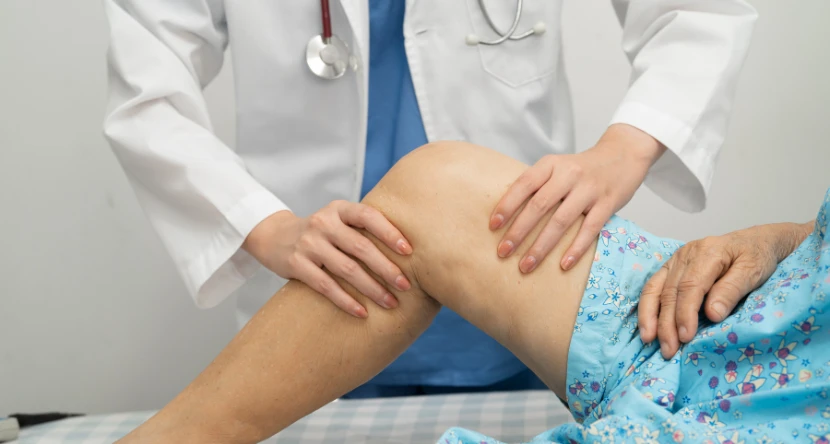
Knee replacement surgery is a life-changing procedure for people suffering from severe arthritis, chronic knee pain, or joint damage. But the success of the surgery depends not only on the surgeon’s skill — it also depends on how well the patient prepares before the procedure. Proper preparation can reduce complications, speed up recovery, and improve long-term results.
At Amuka Orthopedic Clinic Hyderabad, our knee replacement specialists ensure that every patient understands the steps required before surgery so they feel confident, informed, and ready for a smooth recovery.
Why Preparation Before Knee Replacement Surgery Is Important
A well-planned preoperative routine helps:
- Strengthen knee muscles for faster recovery
- Reduce surgery-related risks
- Improve post-surgery mobility
- Shorten hospital stay
- Build confidence and reduce anxiety
Here’s a complete guide on what patients should do before undergoing knee replacement surgery.
1. Complete All Required Medical Tests
Your orthopedic surgeon will recommend tests to ensure you are medically fit for surgery.
Common tests include:
- Blood tests
- ECG and cardiac evaluation
- Chest X-ray
- Knee MRI or digital X-ray
- Diabetes and blood pressure checks
Tip: Get these tests done early so any underlying issue can be managed before surgery.
2. Strengthen Your Knee and Leg Muscles
Stronger muscles help support the artificial joint and speed up recovery.
Recommended exercises:
- Quadriceps strengthening
- Straight leg raises
- Ankle pumps
- Hamstring stretches
A physiotherapist at Amuka Orthopedic Clinic can guide you through a customized pre-surgery exercise program.
3. Manage Chronic Conditions (BP, Diabetes, Thyroid)
Uncontrolled medical conditions increase surgical risks. Before surgery, make sure you have:
- Stable blood pressure
- Controlled blood sugar levels
- Balanced thyroid hormones
- Healthy kidney and heart function
Patients with diabetes and hypertension require extra monitoring and medication adjustments prior to their procedure.
4. Stop Smoking and Limit Alcohol
Smoking slows healing and increases infection risk. Alcohol can interfere with anesthesia and medications.
Recommendation: Stop smoking at least 3–4 weeks before surgery for better healing.
5. Prepare Your Home for a Safe Recovery
After surgery, mobility will be limited for a few weeks. Prepare your home environment to avoid falls and discomfort.
Home preparation tips:
- Keep essential items within easy reach
- Install grab bars in bathroom
- Remove loose rugs or slippery mats
- Arrange a comfortable resting area at waist height
- Ensure good lighting throughout your home
6. Arrange Post-Surgery Support
You may need assistance with walking, cooking, bathing, and errands for the first 2–3 weeks.
Plan ahead: Ask a family member or friend to stay with you during early recovery.
7. Discuss Surgery Details With Your Orthopedic Surgeon
Ask all your questions before the procedure so you know exactly what to expect.
Important questions to ask:
- What type of knee implant will be used?
- What is the expected recovery timeline?
- Are there any risks or complications?
- When can normal activities be resumed?
- How long will physiotherapy last?
8. Maintain a Healthy Diet Before Surgery
Nutrient-rich foods promote healing and faster recovery.
Include in your diet:
- Protein-rich foods (eggs, dal, fish, chicken)
- Calcium and Vitamin D foods (milk, paneer, sunlight exposure)
- Fruits and vegetables
- Plenty of water
Avoid heavy, oily, or processed foods a few days before surgery.
9. Learn How to Use Walking Aids
After surgery, you will need a walker or crutches. Learning to use them beforehand helps you feel more confident and reduces fall risk.
10. Understand Your Post-Surgery Plan
Before surgery, your care team will share a rehabilitation plan including:
- Physiotherapy schedule
- Pain management plan
- Follow-up visits
- Movement restrictions
Being prepared helps you transition smoothly into recovery.
Pre-Surgery Checklist for Knee Replacement
| Task | Status |
|---|---|
| Medical tests completed | ✔ |
| Chronic conditions controlled | ✔ |
| Pre-surgery exercises done | ✔ |
| Home prepared for recovery | ✔ |
| Family support arranged | ✔ |
Why Choose Amuka Orthopedic Clinic for Knee Replacement?
- Experienced knee replacement surgeons
- Minimally invasive & robotic techniques
- State-of-the-art physiotherapy support
- Personalized pre- and post-surgery care
- Faster recovery and long-term results
At Amuka Orthopedic Clinic Hyderabad, we ensure every patient is fully prepared and confident before their knee replacement procedure.
Book Your Knee Replacement Consultation Today
Proper preparation leads to better recovery. If you’re considering knee replacement surgery, visit Amuka Orthopedic Clinic for expert evaluation and personalized guidance.
Contact us today to schedule your consultation.
FAQs on Knee Replacement Preparation
1. How long before surgery should I start exercises?
Ideally 4–6 weeks before the procedure.
2. Can I eat normally the day before surgery?
You may be asked to avoid food 8–12 hours before the procedure. Follow your doctor’s instructions.
3. Is it necessary to stop smoking?
Yes. Smoking slows healing and increases complications.
4. Will I need someone to stay with me after surgery?
Yes. You will need assistance for the first 1–2 weeks.
5. Should I stop taking my regular medications?
Some medicines (like blood thinners) may need adjustment. Consult your surgeon beforehand.