
Shoulder pain can be life-limiting, making simple tasks like reaching overhead, lifting groceries, or even sleeping through the night extremely difficult. For patients suffering from severe arthritis, repeated rotator cuff tears, or traumatic shoulder injuries, shoulder joint replacement surgery often becomes the most effective solution. Traditionally, this procedure has been performed using manual surgical techniques. However, the rise of robotic-assisted surgery is transforming outcomes for patients worldwide.
At Amuka Orthopedic Clinic in Hyderabad, we specialize in both robotic and traditional shoulder joint replacement surgeries. Each method has unique benefits and limitations, and the best choice depends on the patient’s individual condition, lifestyle, and recovery goals. This comprehensive guide explores the differences between robotic and traditional techniques, comparing their impact on recovery, implant longevity, and patient satisfaction.
Understanding Traditional Shoulder Joint Replacement
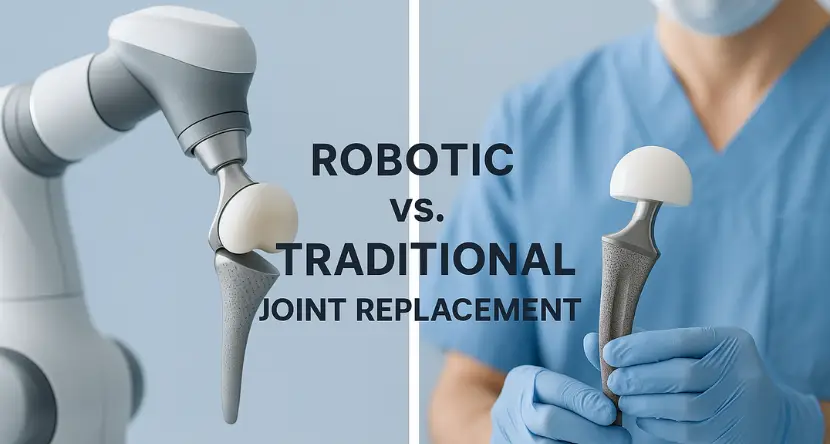
Traditional shoulder joint replacement has been performed successfully for decades. In this surgery, the damaged portions of the shoulder (humeral head and glenoid socket) are removed and replaced with artificial implants. The surgeon relies on X-rays, physical assessment, and surgical expertise to align and secure the prosthetic components.
Strengths of Traditional Surgery
- Proven track record: Decades of research and successful outcomes worldwide.
- Wide availability: Almost every major orthopedic hospital offers it.
- Lower upfront costs: Traditional procedures are generally more affordable.
- Effective for simple cases: Particularly suitable for straightforward arthritis with minimal bone deformity.

Limitations of Traditional Surgery
- Implant placement accuracy depends heavily on the surgeon’s skill and experience.
- Greater chance of implant misalignment, which may lead to complications later.
- Longer hospital stays and more discomfort during recovery.
- Inconsistent long-term results in complex or unusual shoulder anatomy.
What Is Robotic Shoulder Joint Replacement?
Robotic-assisted surgery represents a major leap forward in orthopedic care. In this approach, the surgeon uses advanced imaging and a robotic-assisted system to plan and perform the procedure with millimeter-level accuracy. Preoperative CT scans create a 3D model of the shoulder, allowing a highly personalized surgical plan.
During surgery, the robotic arm guides the surgeon’s movements, ensuring optimal implant size, alignment, and placement. It does not replace the surgeon but enhances their precision, reducing variability and improving outcomes.
Strengths of Robotic Surgery
- Unparalleled precision: Personalized 3D planning ensures exact implant positioning.
- Faster recovery: Smaller incisions, less blood loss, and reduced tissue damage.
- Improved implant longevity: Correct placement minimizes wear and tear, extending lifespan.
- Lower revision rates: Fewer complications mean patients are less likely to need repeat surgeries.
- Enhanced mobility: Patients often regain more natural range of motion and strength.
Limitations of Robotic Surgery
- Higher initial cost compared to traditional surgery.
- Available only in advanced centers with robotic infrastructure.
- Requires a skilled surgeon trained in robotic systems.
Robotic vs. Traditional Shoulder Replacement: Side-by-Side Comparison
| Factor | Traditional Surgery | Robotic-Assisted Surgery |
|---|---|---|
| Implant Accuracy | Manual placement guided by surgeon experience | 3D computer mapping ensures millimeter precision |
| Recovery Timeline | Slower, with more pain and longer physiotherapy | Faster, less pain, and quicker return to activities |
| Implant Lifespan | May wear out sooner if alignment is imperfect | Optimized alignment increases implant durability |
| Suitability | Good for simple arthritis cases | Ideal for complex anatomy, deformities, and active patients |
| Cost | Generally lower upfront | Higher initial cost but fewer long-term complications |
Shoulder Recovery After Joint Replacement
Regardless of whether you choose robotic or traditional surgery, recovery depends on post-operative rehabilitation and patient commitment. However, robotic surgery often accelerates healing.
Typical Recovery Timeline
- First Week: Pain is managed with medications. Robotic patients often report less discomfort.
- 2–6 Weeks: Begin physiotherapy with focus on mobility and light daily tasks.
- 6–12 Weeks: Strengthening exercises restore shoulder stability.
- 3–6 Months: Most patients resume normal routines; robotic patients may do so sooner.
- 6–12 Months: Full recovery with restored strength, range of motion, and return to sports or physically demanding activities.
At Amuka, we provide personalized rehabilitation programs designed to maximize recovery after both traditional and robotic procedures.
Which Option Is Best for You?
The decision between robotic and traditional shoulder replacement depends on:
- Patient age and lifestyle: Younger, more active patients may benefit from robotic precision.
- Complexity of the case: Patients with deformities or previous surgeries often do better with robotic assistance.
- Budget: Traditional surgery may cost less initially, but robotic surgery can reduce long-term revision expenses.
- Desired recovery speed: Robotic-assisted patients generally resume normal activities sooner.
At Amuka Orthopedic Clinic Hyderabad, our surgeons evaluate your medical condition, imaging results, and personal goals before recommending the most suitable option.
Why Choose Amuka Orthopedic Clinic in Hyderabad?
- Expertise in both methods: Skilled in robotic-assisted and traditional joint replacement.
- Advanced technology: State-of-the-art robotic systems and imaging tools.
- Holistic care: Comprehensive services from diagnosis to physiotherapy.
- Patient-focused approach: Personalized treatment and rehab plans.
- Affordable options: Transparent costs with high-quality outcomes.

Book Your Shoulder Replacement Consultation at Amuka
If shoulder pain is limiting your life, it may be time to consider joint replacement. At Amuka, we guide patients through every step, from diagnosis to surgery and rehabilitation. Whether you choose robotic precision or traditional expertise, our mission is to restore your shoulder health, improve mobility, and help you live pain-free.
Call today or book an appointment online with Amuka’s shoulder joint replacement specialists in Hyderabad.
FAQs: Robotic vs. Traditional Shoulder Replacement
1. Is robotic shoulder replacement safer than traditional surgery?
Yes. Robotic-assisted surgery enhances accuracy and reduces human error, making it safer in complex cases.
2. How long does recovery take with robotic surgery compared to traditional?
Robotic patients typically resume daily activities within 6–8 weeks, while traditional surgery may take 10–12 weeks for similar progress.
3. Is robotic surgery worth the extra cost?
Although slightly more expensive, robotic surgery reduces complications and extends implant life, often saving money in the long run.
4. Can older patients undergo robotic replacement?
Yes. Robotic procedures are safe for older patients and often result in quicker recovery due to less tissue damage.
5. Which option ensures longer-lasting results?
Robotic surgery offers more accurate implant placement, typically resulting in longer implant lifespan and better mobility over time.
6. Do all hospitals offer robotic shoulder replacement?
No. Only specialized orthopedic centers with advanced robotic systems, like Amuka Orthopedic Clinic, provide this technology.
7. Can I return to sports after robotic surgery?
Yes. Many patients resume sports within 4–6 months after robotic shoulder replacement, compared to 6–9 months with traditional surgery, depending on physiotherapy adherence.