
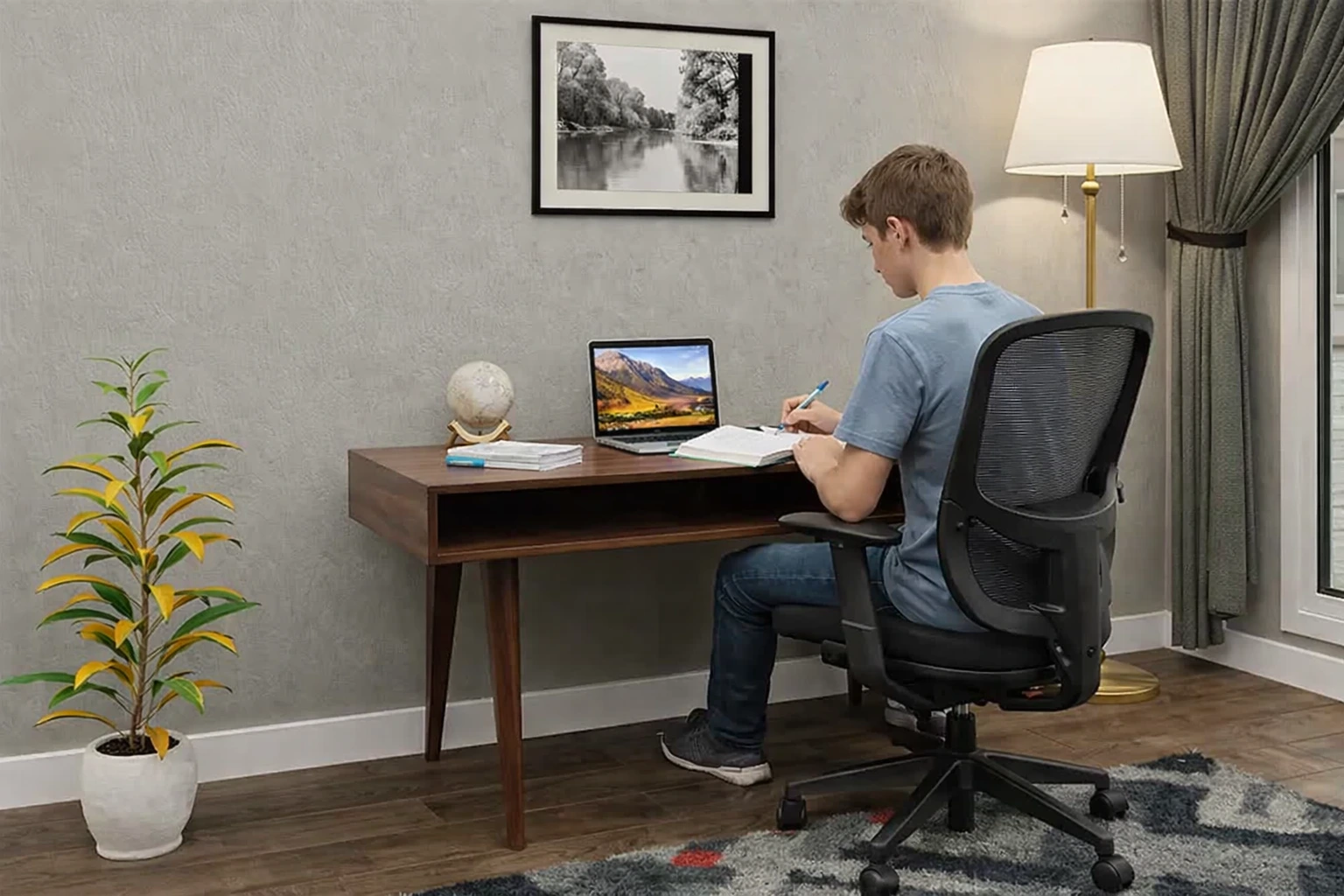
Over the past few years, remote working has become a normal part of everyday life for millions of professionals. While working from home offers flexibility and convenience, it has also introduced new health challenges, particularly for the spine. Many individuals are now spending extended hours sitting in front of laptops without proper ergonomic support, which can lead to long-term musculoskeletal problems.
Unlike traditional office setups that are designed to support posture, home workspaces are often improvised using dining tables, couches, or beds. This lack of proper seating arrangements can negatively impact spinal alignment over time. As a result, healthcare professionals are now observing a growing number of patients experiencing neck pain, lower back discomfort, and posture-related spinal issues due to prolonged work-from-home habits.
How Work From Home Affects Spinal Health
The human spine is designed to support body weight and allow flexibility during movement. However, maintaining a fixed sitting posture for long periods can place excessive strain on spinal discs and surrounding muscles.
When individuals sit for extended durations without proper back support, the natural curve of the spine may become distorted. This can lead to increased pressure on intervertebral discs, which act as shock absorbers between the vertebrae. Over time, this pressure may cause these discs to weaken or bulge, potentially leading to conditions such as slip disc or nerve compression.
Prolonged screen time without breaks can also strain the neck and shoulder muscles, leading to stiffness and discomfort. Poor posture during laptop use often results in a forward head position, which increases stress on the cervical spine.
Common Spine Issues Associated with Work From Home
Several spinal problems have become increasingly common among remote workers. Neck pain is one of the most frequently reported symptoms and is often caused by improper screen height or prolonged use of laptops placed too low.
Lower back pain is another major concern and may result from sitting on chairs without adequate lumbar support. In some cases, individuals may develop sciatica, which is characterized by pain radiating from the lower back down to the legs due to nerve compression.
Slip disc, also known as herniated disc, may occur when excessive pressure is placed on spinal discs over time. This condition can cause pain, numbness, or weakness in the affected area.
Causes of Spine Problems in Remote Workers
Improper chair height and lack of back support can significantly affect spinal alignment. Many individuals working from home tend to use dining chairs or sofas, which do not provide adequate lumbar support.
Laptop usage without an external keyboard or monitor often forces users to bend their necks downward for prolonged periods. This forward-leaning posture increases strain on the neck and upper back.
Lack of movement throughout the day also contributes to spinal stiffness. When muscles remain inactive for long durations, they may become weak and less capable of supporting the spine effectively.
Preventing Spine Problems While Working from Home
Maintaining an ergonomic workstation is essential for spinal health. Ensuring that your chair provides proper back support can help maintain the natural curve of the spine. Positioning your laptop or monitor at eye level can reduce strain on the neck.
Taking frequent breaks throughout the day allows muscles to relax and improves circulation. Simple stretching exercises performed during these breaks can prevent stiffness and reduce the risk of injury.
Practicing correct posture by keeping the back straight and feet flat on the floor may also help distribute body weight evenly across the spine.
Simple Exercises to Support Spinal Health
Incorporating basic exercises into your daily routine can improve flexibility and strengthen muscles that support the spine. Neck rolls can help relieve tension in the cervical region, while pelvic tilts may strengthen the lower back muscles.
Shoulder shrugs can reduce stiffness in the upper back and improve posture. Regular stretching helps maintain joint mobility and prevents muscle tightness.
Long-Term Impact of Ignoring Posture
Ignoring posture-related issues may lead to chronic back pain and long-term spinal problems. Over time, persistent strain on spinal discs may increase the risk of degenerative conditions.
Early intervention through lifestyle modifications and physiotherapy can help prevent complications and improve overall spinal health.
When Should You Consult a Specialist?
If you experience persistent neck or back pain that lasts for more than a few weeks, medical evaluation may be necessary. Symptoms such as numbness, tingling, or radiating pain should not be ignored, as they may indicate nerve involvement.
Consulting an orthopedic specialist at an early stage can help identify underlying issues and prevent further complications.