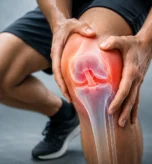

The knee is a powerful yet delicate joint that plays a vital role in maintaining mobility, balance, and flexibility. Every time you walk, run, climb, or bend, your knee ligaments ensure stability and coordination. But because of their constant use and exposure to high-impact movements, these ligaments are highly vulnerable to injuries. Among them, the ACL, PCL, MCL, and LCL are the most frequently injured, especially in athletes, fitness enthusiasts, and individuals involved in heavy physical work.
Ligament injuries can be extremely painful, causing swelling, stiffness, and instability that can disrupt even the simplest daily tasks. If untreated, they may lead to long-term joint damage, early arthritis, or recurring instability. At Amuka Orthopedic Clinic in Hyderabad, our knee ligament repair specialists provide advanced treatment options for ligament injuries using minimally invasive arthroscopic techniques, robotic-assisted surgery, and comprehensive rehabilitation programs to ensure complete recovery and faster return to activity.
Understanding the Four Key Knee Ligaments
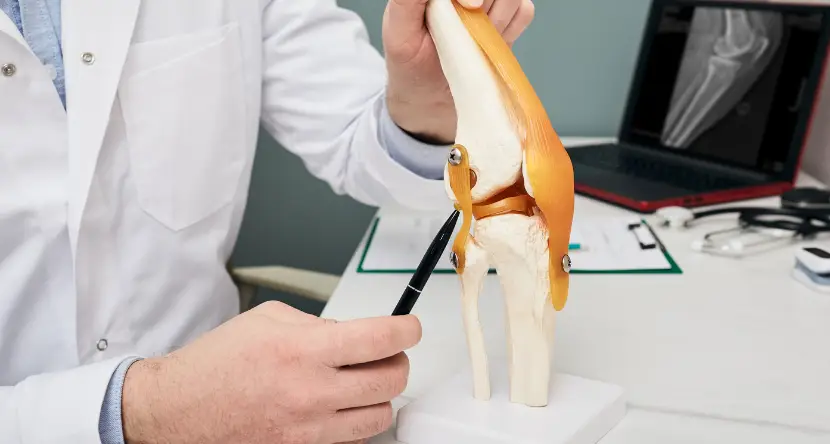
The knee joint is stabilized by four crucial ligaments. Each has a unique function, and injury to any one of them can affect your overall movement and balance.
1. Anterior Cruciate Ligament (ACL)
The ACL is one of the most important stabilizers of the knee and is frequently injured in sports that involve sudden stops, pivots, or changes in direction. An ACL tear often occurs during football, basketball, cricket, and other high-impact activities. Symptoms include a “popping” sound at the time of injury, rapid swelling, and the feeling of the knee “giving way.” Most ACL tears require arthroscopic ACL reconstruction surgery to restore function and stability.
2. Posterior Cruciate Ligament (PCL)
The PCL prevents the tibia (shin bone) from sliding backward. While stronger than the ACL, it can be injured in road traffic accidents, falls, or sports collisions. PCL tears can lead to difficulty climbing stairs or running. Severe injuries often need PCL reconstruction using grafts for long-term stability.
3. Medial Collateral Ligament (MCL)
The MCL supports the inner side of the knee and prevents it from bending inward. It is commonly injured in contact sports, particularly when an external force pushes the knee inward. Minor MCL sprains can heal with bracing and physiotherapy, while severe or complete tears may require surgical repair, especially if associated with ACL or meniscus injuries.
4. Lateral Collateral Ligament (LCL)
The LCL is located on the outer side of the knee and prevents excessive outward bending. Though less commonly injured, LCL tears can cause severe side-to-side instability. Most severe LCL injuries require arthroscopic reconstruction with grafts.
Causes of Knee Ligament Injuries
Knee ligament injuries can occur in various situations, including:
- Sudden stops, twists, or changes in direction during sports
- Landing awkwardly from a jump
- Direct blows to the knee in football, rugby, or accidents
- Road traffic accidents causing hyperextension or trauma
- Overuse injuries from repetitive stress without adequate rest
At Amuka, our sports medicine specialists help identify not just the injury but also the underlying cause, ensuring patients recover fully and prevent reinjury.
Symptoms of Knee Ligament Injuries
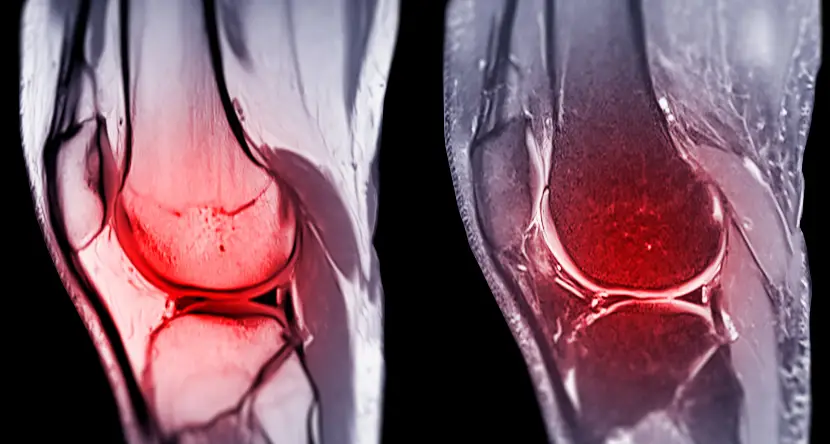
Recognizing symptoms early is key to timely treatment. Common warning signs include:
- Severe pain immediately after injury
- Rapid swelling within hours
- A popping or snapping sound at the time of injury
- Knee instability or “giving way” while walking or running
- Loss of normal range of motion
- Difficulty bearing weight on the affected leg
- Locking or catching sensation in the knee
If you notice these symptoms, consult a knee ligament repair specialist in Hyderabad at Amuka for a thorough diagnosis.
Treatment Options at Amuka Orthopedic Clinic
Our treatment approach depends on the ligament involved, severity of injury, and patient lifestyle. We offer both non-surgical and surgical options:
ACL Reconstruction
ACL injuries are typically treated through arthroscopic reconstruction, where the torn ligament is replaced with a tendon graft. This minimally invasive surgery ensures faster healing and allows athletes to return to sports.
PCL Repair & Reconstruction
For partial tears, conservative care may suffice. However, complete PCL tears often require arthroscopic reconstruction using tendon grafts for long-term stability.
MCL Repair
Minor MCL sprains can be treated with bracing and physiotherapy. In severe tears, surgical repair or reconstruction restores medial stability, especially in multi-ligament injuries.
LCL Reconstruction
LCL tears are less common but often complex. At Amuka, our surgeons use advanced arthroscopic techniques and grafting to restore lateral knee stability.
Why Choose Amuka for Knee Ligament Repair in Hyderabad?
- Expert Surgeons: Experienced specialists in ACL, PCL, MCL, and LCL repair surgeries.
- Advanced Arthroscopy: Minimally invasive surgery with faster recovery and less scarring.
- Comprehensive Care: Full-spectrum treatment from diagnosis to rehabilitation under one roof.
- Sports Injury Rehabilitation: Customized physiotherapy to help athletes return to peak performance.
- Affordable Packages: Transparent pricing with world-class care.
Recovery and Rehabilitation After Ligament Surgery
Rehabilitation is a vital part of knee ligament repair. At Amuka, recovery is divided into structured phases:
Phase 1: Immediate Post-Surgery (0–2 Weeks)
- Pain management and swelling control
- Use of braces and crutches for support
- Gentle mobility exercises to avoid stiffness
Phase 2: Early Rehabilitation (2–6 Weeks)
- Range-of-motion and flexibility training
- Muscle activation for quadriceps and hamstrings
- Gradual weight-bearing exercises
Phase 3: Strengthening (6–12 Weeks)
- Strength training using resistance bands and weights
- Balance training and proprioceptive exercises
- Low-impact cardio like cycling or swimming
Phase 4: Advanced Rehab (3–6 Months)
- Sport-specific agility drills
- Plyometric exercises to improve power
- Progressive return-to-sport activities
Most patients return to routine activities within 3–6 months, and athletes typically resume competitive sports within 9–12 months after surgery.
| Type of Ligament Injury | Symptoms | Treatment at Amuka | Expected Recovery |
|---|---|---|---|
| ACL Tear | Popping sound, swelling, instability during movement | Arthroscopic ACL reconstruction with tendon graft | 6–9 months (athletes may need up to 12 months) |
| PCL Tear | Difficulty climbing stairs, knee instability, pain at back of knee | Arthroscopic repair or reconstruction using grafts | 4–8 months depending on severity |
| MCL Tear | Inner knee pain, swelling, difficulty bending inward | Bracing & physiotherapy for mild injuries; surgery for severe tears | 2–6 months depending on grade of injury |
| LCL Tear | Outer knee pain, instability with side-to-side movements | Surgical reconstruction with grafting techniques | 4–9 months depending on rehab |
Book Your Knee Ligament Consultation at Amuka
When to See a Knee Ligament Specialist
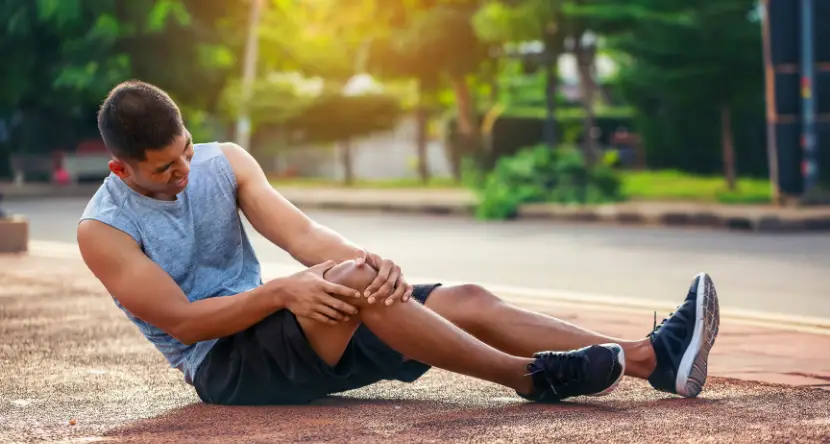
You should consult Amuka Orthopedic Clinic if you experience:
- Severe pain or swelling after a knee injury
- Repeated instability or buckling of the knee
- Loss of strength or range of motion
- Difficulty performing normal activities like climbing stairs
Early diagnosis and intervention improve outcomes and reduce the risk of long-term damage such as osteoarthritis.
Book Your Knee Ligament Repair Consultation at Amuka
At Amuka Orthopedic Clinic Hyderabad, we are committed to helping patients regain mobility, stability, and confidence. Whether it’s an ACL, PCL, MCL, or LCL injury, our specialists provide world-class care tailored to your needs. From arthroscopic surgery to structured rehabilitation, we ensure long-term success and faster recovery.
Call us today or book an appointment online with Amuka’s knee ligament repair experts in Hyderabad.
FAQs on Knee Ligament Repair
1. How long does recovery take after ligament repair surgery?
Recovery usually takes 6–9 months. Athletes may require 9–12 months to return to competitive sports, depending on the ligament and rehabilitation progress.
2. Can ligament injuries heal without surgery?
Mild MCL and LCL sprains may heal with physiotherapy and bracing. ACL and severe ligament tears usually require surgical intervention for full stability.
3. Is arthroscopy better than traditional open surgery?
Yes. Arthroscopic surgery is minimally invasive, results in less pain, quicker recovery, and minimal scarring compared to open procedures.
4. What is the cost of knee ligament repair in Hyderabad?
The cost depends on the ligament injured, surgical technique, and rehab program. Amuka offers affordable and transparent packages for ACL, PCL, MCL, and LCL repairs.
5. Will I be able to play sports again after ligament surgery?
Yes. With proper surgery and structured physiotherapy, most patients safely return to sports and active lifestyles.
6. What happens if a ligament injury is left untreated?
Untreated ligament tears may cause chronic instability, cartilage damage, and early arthritis. Timely treatment ensures long-term joint health and mobility.