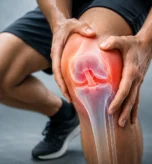

 Joint pain can quietly take over your life. What starts as mild discomfort can gradually turn into limited movement, reduced activity, and frustration. Whether you’re an athlete, a working professional, or simply someone who values mobility, joint issues can hold you back from living fully.
Fortunately, modern medical advancements like arthroscopy are helping people move from pain to performance—faster and more effectively than ever before.
Understanding Arthroscopy: A Modern Solution
Arthroscopy is a minimally invasive procedure used to diagnose and treat joint problems. Instead of large incisions, doctors use a tiny camera (arthroscope) inserted through small cuts to view and repair damage inside the joint.
This advanced technique is widely used for joints such as the knee, shoulder, ankle, and hip. If you want to explore the procedure in more detail, you can learn more about arthroscopy treatment options.
Why Joint Pain Shouldn’t Be Ignored
Many people delay treatment, assuming joint pain will resolve on its own. However, untreated conditions can worsen over time, leading to:
- Reduced mobility
- Chronic inflammation
- Increased risk of further injury
- Long-term joint damage
Early diagnosis and intervention are key to preventing complications and restoring normal function.
How Arthroscopy Helps You Recover Faster
1. Minimally Invasive Approach
Small incisions mean less trauma to surrounding tissues, resulting in quicker healing.
2. Faster Return to Daily Life
Patients often resume normal activities much sooner compared to traditional open surgeries.
3. Reduced Pain and Scarring
Less invasive procedures lead to minimal post-operative discomfort and smaller scars.
4. Precision Treatment
The high-definition camera allows doctors to accurately diagnose and treat the problem in real time.
Conditions Commonly Treated with Arthroscopy
Arthroscopy is highly effective in treating a variety of joint-related issues, including:
- Ligament injuries (such as ACL tears)
- Meniscus tears
- Cartilage damage
- Rotator cuff injuries
- Joint inflammation
In many cases, patients dealing with sports injuries benefit significantly from this approach. You can also explore related care under sports medicine services.
The Journey from Surgery to Performance
Post-Procedure Phase
- Initial rest and pain management
- Controlled movement to avoid stiffness
Rehabilitation Phase
- Physiotherapy to regain strength
- Gradual increase in activity levels
Return to Performance
- Resuming daily activities
- Returning to sports or physically demanding routines
With proper guidance and adherence to recovery protocols, many patients regain full function and return to their previous performance levels.
When Should You Consider Arthroscopy?
You may be a suitable candidate if you experience:
- Persistent joint pain
- Limited range of motion
- Swelling or instability
- No improvement with medication or physiotherapy
Seeking timely medical advice can make a significant difference in outcomes. To understand your options better, consider consulting experienced professionals through the orthopedic care team.
A Smarter Way Forward
Healthcare today is no longer just about treating symptoms—it’s about restoring quality of life. Arthroscopy represents a shift toward smarter, safer, and more efficient treatment methods.
If joint pain is limiting your lifestyle, taking the next step toward evaluation and treatment could be life-changing. You can always book an appointment with a specialist.
Frequently Asked Questions (FAQs)
1. Is arthroscopy a major surgery?
No, arthroscopy is considered a minimally invasive procedure. It involves small incisions and typically results in faster recovery compared to traditional open surgery.
2. How long does it take to recover from arthroscopy?
Recovery time varies depending on the joint and condition treated, but many patients resume normal activities within a few weeks, with full recovery taking a few months.
3. Is arthroscopy painful?
Most patients experience minimal pain after the procedure. Any discomfort is usually manageable with medication and proper post-operative care.
4. Can arthroscopy treat sports injuries?
Yes, arthroscopy is commonly used to treat sports-related injuries like ligament tears, cartilage damage, and joint instability.
5. When should I consult a doctor for joint pain?
If your pain persists, worsens, or affects your daily activities, it’s important to seek medical advice. Early diagnosis can prevent long-term complications. You can contact a specialist.
Final Thoughts
From pain to performance, the journey is now shorter and more achievable than ever. Arthroscopy empowers patients to recover faster, move better, and return to the activities they love.
Don’t let joint pain define your limits—modern solutions are here to help you move forward with confidence.