
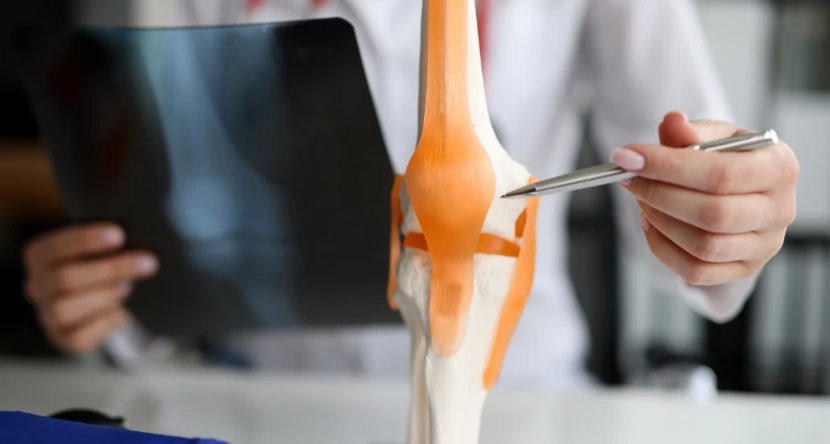
Joint pain, stiffness, and swelling can affect every part of your life — from getting out of bed to walking, working, or exercising. These symptoms often point to more than ordinary wear and tear; they can indicate a rheumatic disease. Rheumatology is the branch of medicine that specializes in treating autoimmune and inflammatory conditions that target your joints, muscles, and connective tissues.
At Amuka Orthopedic Clinic Hyderabad, our Rheumatology Department focuses on identifying the root cause of chronic pain and inflammation. With advanced diagnostics, evidence-based treatments, and personalized rehabilitation programs, our goal is to restore mobility, prevent deformity, and enhance your quality of life.
What Is Rheumatology?
Rheumatology focuses on autoimmune diseases — conditions in which the immune system attacks the body’s own tissues. These disorders often begin subtly, with mild stiffness or fatigue, and gradually worsen over time. Without proper care, they can lead to joint destruction, chronic pain, and organ damage.
Rheumatologists treat over 100 types of disorders, commonly known as rheumatic diseases. These may affect not only joints but also muscles, ligaments, tendons, and internal organs.
Common Rheumatic Diseases Treated at Amuka
- Rheumatoid Arthritis (RA): An autoimmune condition causing painful, swollen joints, typically in hands and feet.
- Osteoarthritis: Age-related wear and tear of cartilage that causes stiffness and limited movement.
- Ankylosing Spondylitis: Inflammatory spinal arthritis leading to stiffness and reduced flexibility.
- Lupus (SLE): A systemic autoimmune disease affecting joints, skin, kidneys, and other organs.
- Psoriatic Arthritis: Arthritis linked with psoriasis, causing pain in joints and tendons.
- Gout: Caused by uric acid crystal deposits leading to intense joint pain, especially in the big toe.
- Fibromyalgia: Widespread musculoskeletal pain with fatigue, mood, and sleep disturbances.
Early Warning Signs You Shouldn’t Ignore
Many patients ignore the early signs of autoimmune joint diseases until the damage becomes irreversible. Look for these red flags:
- Stiffness or swelling in joints, especially in the morning
- Joint pain lasting more than two weeks
- Fatigue, low-grade fever, or weakness
- Unexplained weight loss
- Red, warm, or tender joints
- Difficulty performing simple tasks like gripping or walking
Early diagnosis by a rheumatologist in Hyderabad can help manage inflammation before it causes lasting joint damage.
How Rheumatology Diagnosis Works at Amuka
Accurate diagnosis is the cornerstone of effective treatment. Our team at Amuka Orthopedic Clinic uses a combination of laboratory tests, imaging, and clinical evaluations to understand each patient’s condition.
- Blood Tests: Including ESR, CRP, RF, Anti-CCP, and ANA to detect inflammation and autoimmune activity.
- Imaging: High-resolution ultrasound and MRI to assess joint damage and inflammation.
- Joint Aspiration: Analyzing synovial fluid to diagnose gout or infection.
- DEXA Scan: To detect bone loss linked with rheumatoid arthritis or long-term steroid use.

Treatment Approaches in Rheumatology
At Amuka, our treatment strategy focuses on controlling inflammation, reducing pain, and preventing future joint damage.
- 1. Medications: Including NSAIDs, corticosteroids, DMARDs (like Methotrexate), and biologic agents.
- 2. Physical Therapy: Gentle exercises to maintain flexibility and joint strength.
- 3. Pain Management: Image-guided injections and local therapies for acute relief.
- 4. Lifestyle Modifications: Anti-inflammatory diets, stress management, and ergonomic adjustments.
- 5. Regular Monitoring: Scheduled follow-ups to track disease activity and prevent relapse.
Comparison: Rheumatoid Arthritis vs. Osteoarthritis
| Feature | Rheumatoid Arthritis | Osteoarthritis |
|---|---|---|
| Cause | Autoimmune inflammation | Cartilage wear and tear |
| Age Group | Any age, often 30–60 | Mostly after 50 |
| Joints Affected | Symmetrical (both sides) | Usually one side first |
| Pain Timing | Morning stiffness > 30 mins | Pain worsens after activity |
| Treatment Focus | Suppress immune inflammation | Pain management & mobility |
Why Choose Amuka for Rheumatology in Hyderabad?
- Integrated Care: Rheumatologists and orthopedists collaborate for joint preservation.
- Modern Diagnostics: In-house lab and imaging for same-day results.
- Patient Education: We guide patients on lifestyle and long-term joint protection.
- Affordable Care: Transparent pricing for consultations and treatments.
Book Your Rheumatology Consultation at Amuka
Don’t wait for your pain to become permanent. Get evaluated by Hyderabad’s best rheumatology specialists at Amuka Orthopedic Clinic. Early diagnosis means lasting relief and better quality of life.
Book your consultation now and take the first step toward pain-free, active living.
FAQs on Rheumatology
1. What is the difference between arthritis and rheumatism?
Arthritis affects the joints, while rheumatism covers a broader range of muscle and connective tissue disorders.
2. Can stress trigger rheumatic flare-ups?
Yes, stress can worsen autoimmune responses, increasing pain and inflammation.
3. Is physical activity safe for people with rheumatoid arthritis?
Yes, low-impact exercises like swimming or yoga are recommended to maintain flexibility and strength.
4. Can rheumatic diseases affect organs?
Some conditions like lupus can affect kidneys, lungs, or the heart — hence early treatment is crucial.
5. Does Amuka provide long-term rheumatology management?
Yes, we offer ongoing care plans combining medication, physiotherapy, and lifestyle support.