
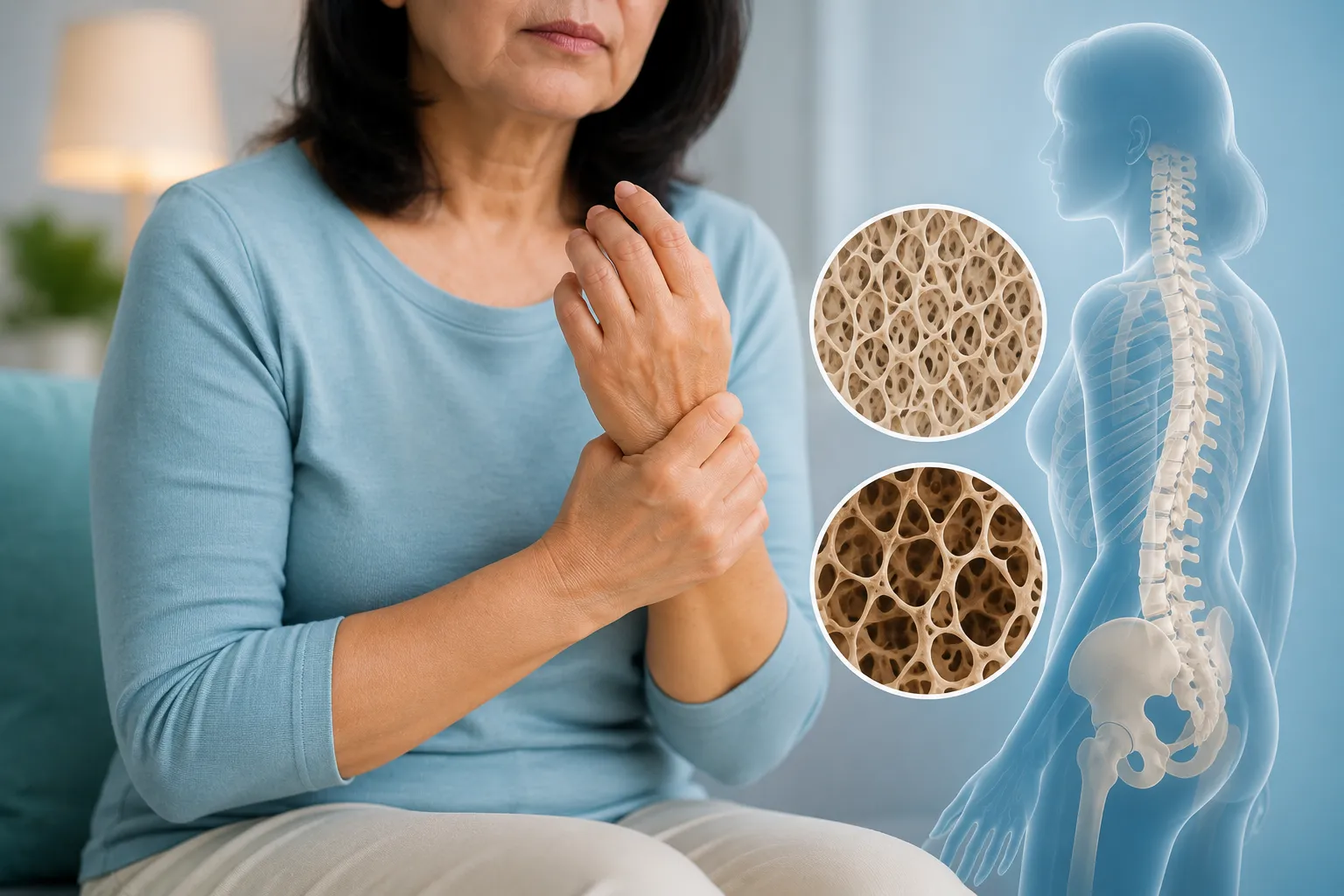
Osteoporosis is a common bone health condition in which bones become weaker, less dense, and more vulnerable to fractures. Although osteoporosis can affect anyone, women are particularly at risk, especially after menopause when declining estrogen levels can accelerate bone loss.
One of the biggest challenges with osteoporosis is that it can develop silently. Many women do not experience noticeable symptoms until a fracture occurs. This is why understanding the early signs of osteoporosis in women, recognizing risk factors, and taking preventive steps early can make an important difference.
At Amuka Orthopedic Clinic Hyderabad, patients can receive evaluation and guidance for osteoporosis, bone health, joint problems, and age-related orthopedic conditions. This guide explains why women are at higher risk, when screening may be needed, and practical ways to protect bone health.
What Is Osteoporosis?
Osteoporosis means “porous bones.” In healthy bones, old bone tissue is continuously broken down and replaced with new bone. Osteoporosis develops when bone loss occurs faster than new bone formation, causing bones to become weaker and less dense.
Weaker bones may fracture more easily during activities that would normally cause little or no injury. Common fracture sites include the:
- Hip
- Spine
- Wrist
- Upper arm
Osteoporosis can also affect posture, height, mobility, and independence when fractures occur repeatedly.
Why Are Women More Prone to Osteoporosis?
Women generally have a higher risk of osteoporosis because they tend to have smaller and thinner bones than men. The risk increases significantly after menopause because estrogen levels fall.
Estrogen plays an important role in maintaining bone density. After menopause, the reduction in estrogen can accelerate bone loss, particularly during the first several years.
Other factors such as age, family history, inadequate calcium and Vitamin D intake, low body weight, physical inactivity, smoking, certain medications, and medical conditions can further increase the risk.
Early Signs of Osteoporosis in Women
Osteoporosis is often called a “silent disease” because significant bone loss may occur without obvious symptoms. However, certain changes can be warning signs that should not be ignored.
1. Loss of Height
Gradual loss of height may occur because of compression or fractures in the vertebrae of the spine. If you notice that you are becoming shorter over the years, discuss it with an orthopedic specialist.
2. Persistent Back Pain
Unexplained or persistent back pain may sometimes be associated with vertebral compression fractures caused by weakened bones.
Back pain does not automatically mean osteoporosis, but persistent pain—particularly in older women—may warrant further evaluation.
3. Stooped or Hunched Posture
Multiple spinal compression fractures can gradually change the shape of the spine, leading to a forward-curved or stooped posture.
4. Fractures After Minor Falls
A fracture resulting from a relatively minor fall or everyday activity can be an important warning sign of reduced bone strength.
A wrist, hip, or spinal fracture after a low-impact incident should be medically evaluated for possible underlying osteoporosis.
5. Reduced Physical Strength and Mobility
Weak bones are not the same as weak muscles, but reduced physical activity and muscle strength can occur alongside bone loss. Poor balance and muscle weakness can also increase the risk of falls and fractures.
Osteoporosis Risk Factors in Women
Several factors can increase the likelihood of developing osteoporosis.
| Risk Factor | Why It Matters |
|---|---|
| Menopause | Lower estrogen levels can accelerate bone loss |
| Increasing age | Bone density naturally decreases with age |
| Family history | A family history of osteoporosis or hip fracture may increase risk |
| Low body weight | Lower bone mass may increase fracture risk |
| Low calcium or Vitamin D intake | Both nutrients are important for maintaining healthy bones |
| Physical inactivity | Bones benefit from regular weight-bearing activity |
| Smoking | Can negatively affect bone health |
| Certain medications | Long-term use of some medicines can contribute to bone loss |
Osteoporosis After Menopause
Menopause is one of the most important stages in a woman’s bone health journey. As estrogen levels decrease, bone breakdown can become faster than bone formation.
Women approaching or going through menopause should discuss their individual bone health risk with their doctor, particularly if they have additional risk factors.
Maintaining adequate nutrition, regular exercise, a healthy body weight, and appropriate screening can help identify problems early.
How Is Osteoporosis Diagnosed?
Because osteoporosis often has no symptoms, testing is important for women who have an increased risk of bone loss.
The most commonly used test is a Bone Mineral Density (BMD) test, usually performed using a DXA or DEXA scan.
A bone density scan can measure bone mineral density at common fracture sites such as the hip and spine. Your doctor may recommend the test based on your age, menopause status, medical history, previous fractures, and other risk factors.
Additional investigations may sometimes be recommended to identify medical conditions or nutritional deficiencies that could contribute to low bone density.
Calcium and Vitamin D for Bone Health
Calcium and Vitamin D are essential nutrients for maintaining strong bones. However, the amount required varies according to age, diet, medical conditions, and individual needs.
Good sources of calcium include:
- Milk and yogurt
- Paneer and other dairy products
- Leafy green vegetables
- Sesame seeds
- Almonds
- Calcium-fortified foods
Vitamin D can be obtained through sunlight exposure, certain foods, and supplements when medically recommended.
Important: Do not start high-dose calcium or Vitamin D supplements without medical advice. Your doctor can determine whether supplementation is appropriate and whether blood tests are required.
Exercise to Prevent Osteoporosis
Regular physical activity is one of the most effective lifestyle strategies for maintaining bone and muscle health.
Depending on your age and fitness level, beneficial activities may include:
- Walking
- Stair climbing
- Resistance or strength training
- Balance exercises
- Yoga and flexibility exercises
- Low-impact aerobic activities
Weight-bearing and resistance exercises are particularly useful because they place healthy mechanical stress on bones and help maintain muscle strength.
Prevent Falls to Protect Fragile Bones
For women with low bone density, preventing falls is just as important as improving bone strength. A simple fall can sometimes result in a serious fracture when bones are significantly weakened.
Fall-prevention strategies include:
- Keeping floors and walking areas free of clutter
- Using adequate lighting at home
- Installing bathroom grab bars when necessary
- Wearing supportive, non-slip footwear
- Improving balance and leg strength through exercise
- Having vision checked regularly
Foods and Habits to Limit
Some lifestyle habits can negatively affect bone health.
Women should consider limiting:
- Smoking
- Excessive alcohol consumption
- Highly processed foods with poor nutritional value
- Excessive intake of caffeinated beverages when it replaces nutritious foods
A balanced diet containing adequate protein, calcium, Vitamin D, fruits, vegetables, and other essential nutrients supports overall bone health.
Can Osteoporosis Be Prevented?
Not every case of osteoporosis can be prevented, particularly when genetic, hormonal, or medical factors play a role. However, building strong bones early in life and maintaining bone health throughout adulthood can reduce the risk of significant bone loss and fractures.
Prevention should focus on:
- Eating a balanced, nutrient-rich diet
- Getting adequate calcium and Vitamin D
- Performing regular weight-bearing and strengthening exercises
- Maintaining a healthy body weight
- Avoiding smoking
- Limiting excessive alcohol
- Managing medical conditions appropriately
- Getting bone density testing when recommended
When Should Women See an Orthopedic Specialist?
Consider an orthopedic consultation if you experience:
- A fracture after a minor fall or low-impact injury
- Persistent or unexplained back pain
- Noticeable loss of height
- A progressively stooped posture
- Difficulty walking or maintaining balance
- A history of osteoporosis or fractures in the family
- Risk factors for early bone loss
Women who have already experienced a fragility fracture should receive appropriate medical evaluation because it may indicate underlying osteoporosis.
Osteoporosis Treatment Options
If osteoporosis is diagnosed, treatment depends on bone density, fracture history, age, risk factors, and overall health.
Treatment may include:
- Lifestyle and dietary changes
- Calcium and Vitamin D supplementation when appropriate
- Fall-prevention strategies
- Weight-bearing and resistance exercises
- Prescription medications that reduce bone loss or improve bone formation
- Regular monitoring of bone mineral density
Your doctor will select treatment based on your individual fracture risk rather than relying on a single test result.
Why Choose Amuka Orthopedic Clinic for Bone Health?
At Amuka Orthopedic Clinic Hyderabad, our orthopedic specialists focus on early evaluation, accurate diagnosis, and personalized management of bone and joint conditions.
Our orthopedic care includes:
- Osteoporosis evaluation and management
- Bone health assessment
- Fracture treatment and prevention
- Arthritis and joint pain management
- Physiotherapy and rehabilitation
- Comprehensive orthopedic consultation
Early attention to bone health can help women remain active, independent, and confident as they age.
Take Control of Your Bone Health
Osteoporosis may develop silently, but its consequences can be serious. Women can take proactive steps by understanding their risk factors, maintaining healthy nutrition, staying physically active, preventing falls, and undergoing bone density testing when recommended.
If you are concerned about osteoporosis, recurring fractures, bone weakness, or age-related mobility problems, consult the orthopedic specialists at Amuka Orthopedic Clinic Hyderabad.
Book your consultation today and take an important step toward protecting your bones and maintaining healthy mobility for years to come.
Frequently Asked Questions
1. What are the early signs of osteoporosis in women?
Osteoporosis often has no noticeable symptoms in its early stages. Loss of height, persistent back pain, a stooped posture, and fractures after minor injuries can be warning signs that require evaluation.
2. Why does osteoporosis become more common after menopause?
After menopause, estrogen levels decrease. This can accelerate bone loss and increase the risk of osteoporosis and fractures.
3. What test is used to diagnose osteoporosis?
A DXA or DEXA bone density scan is commonly used to measure bone mineral density and assess the risk of osteoporosis.
4. Can exercise help prevent osteoporosis?
Yes. Regular weight-bearing, resistance, and balance exercises can support bone strength, muscle function, and fall prevention.
5. Should every woman take calcium and Vitamin D supplements?
Not necessarily. Nutritional needs vary between individuals. Your doctor can assess your diet, risk factors, and test results and recommend supplements if they are appropriate.
6. Can osteoporosis be treated?
Yes. Osteoporosis can be managed through lifestyle changes, exercise, appropriate nutrition, fall prevention, and prescription medications when indicated.
7. When should I get checked for osteoporosis?
Screening recommendations depend on age and individual risk factors. Women who have fractures, significant risk factors, or medical conditions associated with bone loss should discuss bone density testing with their doctor.