
Irregular periods are common among women at different stages of life, but when menstrual cycles become consistently unpredictable, unusually infrequent, or are accompanied by other symptoms, it may be a sign of an underlying hormonal condition. One of the most common causes is Polycystic Ovary Syndrome (PCOS).
PCOS is a common hormonal and metabolic condition that can affect menstrual cycles, ovulation, skin, hair, weight, and fertility. While some women experience obvious symptoms, others may have subtle signs and remain undiagnosed for years.
Recognizing the symptoms early and consulting a gynecologist can help identify the underlying cause of irregular periods and provide appropriate treatment. This article explains the common symptoms of PCOS, when irregular periods require medical attention, how PCOS is diagnosed, and what treatment options may be considered.
What Is PCOS?
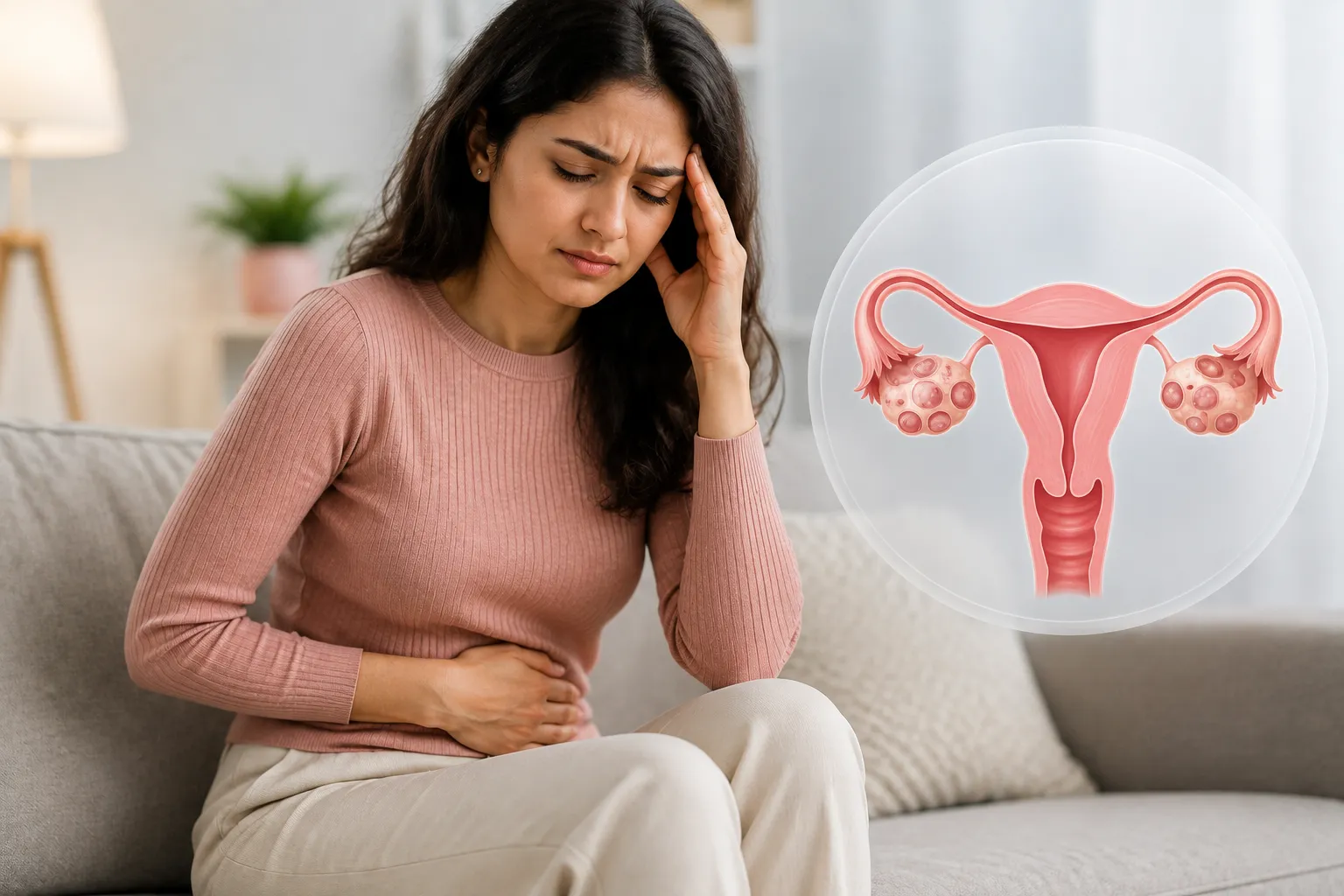
Polycystic Ovary Syndrome is a hormonal condition associated with irregular ovulation, higher-than-usual levels or effects of androgens, and characteristic changes in the ovaries in some women.
The name “polycystic” can sometimes be misleading because not every woman with PCOS has ovarian cysts. The diagnosis is based on a combination of symptoms, medical history, examination, and appropriate investigations.
PCOS can affect women during their reproductive years and may present differently from one person to another.
What Causes PCOS?
The exact cause of PCOS is not completely understood. Several factors appear to contribute to its development, including hormonal imbalance, insulin resistance, genetics, and environmental or lifestyle factors.
Women with a close family history of PCOS may have a higher likelihood of developing the condition. Insulin resistance can also contribute to increased androgen activity and irregular ovulation in some women.
Irregular Periods: One of the Most Common PCOS Symptoms
Irregular menstruation is often one of the first signs that leads women to seek medical advice.
A woman may experience:
- Periods occurring less frequently than expected
- Long gaps between menstrual cycles
- Unpredictable periods
- Very light or unusually heavy menstrual bleeding
- Periods that stop for several months
Irregular periods do not automatically mean you have PCOS. Stress, thyroid problems, significant weight changes, excessive exercise, pregnancy, breastfeeding, certain medications, and other hormonal conditions can also affect menstrual cycles.
However, persistent menstrual irregularity deserves medical evaluation.
Other Common Symptoms of PCOS
PCOS can affect more than just the menstrual cycle. Some women experience several symptoms, while others may have only one or two noticeable signs.
1. Excess Facial or Body Hair
Higher androgen activity can cause increased hair growth on the face, chin, chest, abdomen, or other areas where hair growth is typically less noticeable in women.
2. Acne and Oily Skin
Hormonal changes associated with PCOS may increase oil production and contribute to persistent acne, particularly around the face, jawline, chest, or back.
3. Hair Thinning
Some women with PCOS experience thinning hair on the scalp or increased hair shedding. Hormonal changes can contribute to a pattern of hair loss similar to androgen-related hair thinning.
4. Difficulty Losing Weight
Some women with PCOS experience weight gain or find it difficult to lose weight despite lifestyle changes. Insulin resistance may contribute to these metabolic changes.
5. Fertility Problems
Irregular or absent ovulation can make it more difficult to become pregnant. PCOS is one of the common causes of ovulatory infertility, but many women with PCOS can conceive with appropriate lifestyle changes and medical treatment.
6. Darkened Skin Patches
Some women with insulin resistance develop darker, thicker patches of skin, particularly around the neck, armpits, or groin. This condition is known as acanthosis nigricans.
PCOS Symptoms at a Glance
| Symptom | Possible Association |
|---|---|
| Irregular periods | Irregular or absent ovulation |
| Excess facial hair | Increased androgen activity |
| Persistent acne | Hormonal changes |
| Hair thinning | Androgen-related hormonal effects |
| Weight changes | May be associated with metabolic changes |
| Difficulty conceiving | Irregular ovulation |
When Do Irregular Periods Need a Gynecologist’s Attention?
An occasional change in your menstrual cycle may not indicate a serious problem. However, you should consider consulting a gynecologist when irregular periods become persistent or are accompanied by other symptoms.
Seek medical evaluation if you experience:
- Repeatedly irregular menstrual cycles
- No period for several months when pregnancy is not the cause
- Very heavy or prolonged menstrual bleeding
- Excess facial or body hair
- Persistent or severe acne
- Unexplained hair thinning
- Unexplained weight gain or difficulty managing weight
- Difficulty becoming pregnant
- Pelvic discomfort or unusual bleeding
Early evaluation can help identify PCOS or other conditions that may be affecting your menstrual health.
Is Every Irregular Period a Sign of PCOS?
No. Irregular periods can have many different causes.
Other possible causes include:
- Pregnancy
- Thyroid disorders
- Significant stress
- Major weight loss or weight gain
- Excessive physical activity
- Perimenopause
- Certain medications
- Other hormonal disorders
This is why self-diagnosing PCOS based only on irregular periods is not recommended. A gynecologist can evaluate your symptoms and determine whether further testing is necessary.
How Is PCOS Diagnosed?
There is no single test that confirms PCOS in every patient. Diagnosis generally involves assessing symptoms, menstrual history, physical findings, and appropriate laboratory or imaging investigations.
Your gynecologist may discuss:
- Your menstrual cycle pattern
- Weight changes
- Hair growth and skin changes
- Previous pregnancy or fertility history
- Family history
- Existing medical conditions and medications
Depending on your symptoms, your doctor may recommend blood tests to evaluate hormone levels, blood sugar, cholesterol, thyroid function, or other relevant parameters.
Role of Ultrasound in PCOS Evaluation
An ultrasound may be recommended to examine the ovaries and uterus. It can help identify ovarian morphology and rule out other pelvic conditions.
However, the appearance of the ovaries on ultrasound alone does not establish a diagnosis of PCOS. Some women with PCOS may not have polycystic-appearing ovaries, while some women without PCOS may have this appearance on ultrasound.
How Does PCOS Affect Fertility?
Ovulation occurs when an ovary releases an egg during the menstrual cycle. In PCOS, hormonal changes can interfere with regular ovulation.
As a result, some women may have difficulty predicting ovulation or may ovulate less frequently. This can make conception more difficult.
Fortunately, PCOS-related fertility problems can often be managed with appropriate medical care. Treatment is individualized based on whether pregnancy is currently desired and on the woman’s overall health.
PCOS and Long-Term Health
PCOS is not only a reproductive health condition. Some women with PCOS have an increased risk of metabolic problems, particularly when insulin resistance, overweight, or obesity is present.
Depending on individual risk factors, your doctor may recommend monitoring:
- Blood glucose levels
- Blood pressure
- Cholesterol and other lipid levels
- Body weight and waist circumference
Maintaining regular medical follow-up can help identify metabolic concerns early.
How Is PCOS Treated?
There is no single treatment that works for every woman with PCOS. Treatment depends on symptoms, age, reproductive goals, metabolic health, and individual circumstances.
Management may include:
- Healthy eating and regular physical activity
- Weight management when appropriate
- Medications to regulate menstrual cycles
- Treatment for acne or unwanted hair growth
- Medicines to improve insulin sensitivity when indicated
- Fertility treatment for women trying to conceive
Your gynecologist will recommend the most appropriate approach after evaluating your individual needs.
Lifestyle Changes That Can Support PCOS Management
Healthy lifestyle habits can play an important role in managing PCOS, particularly when insulin resistance or weight-related metabolic concerns are present.
Helpful habits may include:
- Eating a balanced diet with adequate protein, vegetables, fruits, whole grains, and healthy fats
- Reducing excessive intake of highly processed foods and added sugars
- Engaging in regular physical activity
- Maintaining a consistent sleep schedule
- Managing stress through healthy coping strategies
- Maintaining a healthy weight or working toward gradual weight reduction when medically appropriate
Even modest lifestyle improvements can benefit overall metabolic and reproductive health in some women with PCOS.
Why Early Consultation Matters
Many women live with irregular periods for years without seeking medical advice. Delaying evaluation can mean that associated hormonal, metabolic, or fertility concerns are not identified early.
A gynecological consultation can help you:
- Understand why your periods are irregular
- Identify PCOS or other hormonal conditions
- Assess fertility concerns
- Monitor metabolic health
- Develop an individualized treatment plan
Early care does not necessarily mean medication. In many cases, your doctor may initially recommend lifestyle changes and monitoring depending on your symptoms and health goals.
Takeaway: Don’t Ignore Persistent Irregular Periods
Irregular periods are common, but they should not always be considered normal. When menstrual irregularity occurs repeatedly or is accompanied by excess hair growth, acne, hair thinning, weight changes, or difficulty conceiving, PCOS may be one possible explanation.
However, only a qualified healthcare professional can determine the cause. A gynecologist can assess your symptoms, recommend appropriate investigations, and create a treatment plan based on your individual needs.
Book a Gynecologist Consultation
If you have persistent irregular periods or symptoms associated with PCOS, consider scheduling a consultation with a qualified gynecologist. Early evaluation can provide clarity, help identify the underlying cause, and support better reproductive and overall health.
👉 Don’t ignore persistent menstrual changes. Speak with a gynecologist and take the first step toward understanding your hormonal health.
Frequently Asked Questions
1. Are irregular periods always caused by PCOS?
No. Irregular periods can result from pregnancy, thyroid problems, stress, significant weight changes, excessive exercise, perimenopause, medications, and other hormonal conditions. A gynecological evaluation can help determine the cause.
2. What are the most common symptoms of PCOS?
Common symptoms include irregular periods, excess facial or body hair, acne, scalp hair thinning, weight changes, and difficulty becoming pregnant due to irregular ovulation.
3. Can PCOS be cured permanently?
PCOS is a long-term hormonal condition, but its symptoms and associated health risks can often be effectively managed through lifestyle changes and appropriate medical treatment.
4. Can women with PCOS become pregnant?
Yes. Many women with PCOS become pregnant naturally or with appropriate fertility treatment. Treatment depends on the individual’s ovulation pattern, overall health, and pregnancy goals.
5. Do I need an ultrasound to diagnose PCOS?
An ultrasound may be part of the evaluation, but PCOS is not diagnosed based on ultrasound findings alone. Your symptoms, medical history, examination, and laboratory tests may also be considered.
6. When should I see a gynecologist for irregular periods?
If your periods remain consistently irregular, stop for several months, become unusually heavy, or are accompanied by symptoms such as excess hair growth, acne, weight changes, or fertility concerns, consult a gynecologist.