
As we grow older, maintaining strong bones becomes essential for living an active, independent life. Yet millions of people experience silent bone loss without realizing it — until a minor fall causes a fracture. This condition is called Osteoporosis, a disease that weakens bones and increases the risk of fractures, especially in the hip, spine, and wrist.
At Amuka Orthopedic Clinic Hyderabad, we believe that early screening and prevention are key to lifelong bone health. Our Osteoporosis specialists combine cutting-edge diagnostics with personalized treatment to strengthen your bones, improve balance, and prevent future fractures.
What Is Osteoporosis?
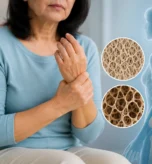
Osteoporosis literally means “porous bone.” In healthy bone, microscopic holes exist to keep it light yet strong. In osteoporosis, these holes become larger and the bone structure weaker, making it more fragile. Even simple activities like bending, lifting, or coughing can cause fractures.
It’s often called a “silent disease” because bone loss happens gradually and without noticeable symptoms — until a fracture occurs. That’s why regular bone health check-ups after age 40 are essential, especially for women after menopause.
What Causes Osteoporosis?
Osteoporosis develops when the natural cycle of bone renewal becomes imbalanced — old bone breaks down faster than new bone forms. Several factors contribute to this:
- Aging: Bone density naturally decreases with age.
- Hormonal Changes: Estrogen deficiency in women after menopause accelerates bone loss.
- Vitamin D & Calcium Deficiency: Insufficient nutrients weaken bone mineralization.
- Sedentary Lifestyle: Lack of physical activity leads to reduced bone strength.
- Medications: Long-term use of steroids and thyroid drugs increases risk.
- Family History: Genetic factors play a significant role in susceptibility.
- Smoking & Alcohol: Both reduce bone-forming cell activity.
Signs and Symptoms to Watch For
Osteoporosis is often symptomless until a fracture occurs. However, there are warning signs that may indicate weak bones:
- Loss of height over time
- Stooped or hunched posture
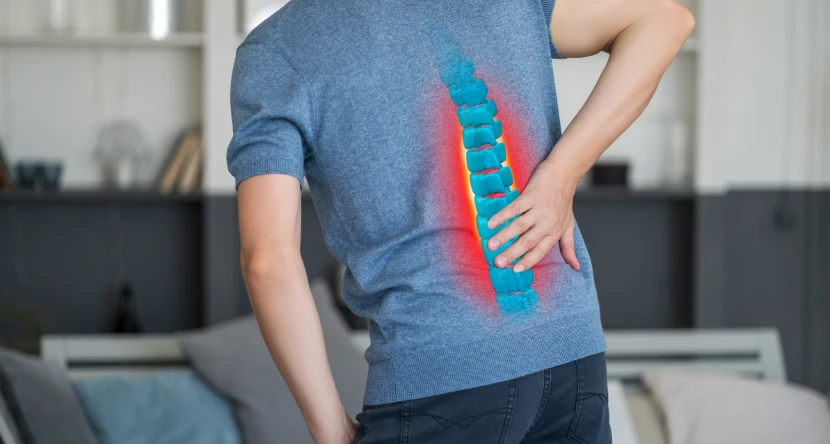
- Sudden back pain (often due to spinal fracture)
- Frequent fractures from minor falls
- Reduced grip strength or bone pain
If you experience any of these symptoms, visit Amuka Orthopedic Clinic for a complete bone health evaluation.
Who Is Most at Risk of Osteoporosis?
- Women over 45, especially after menopause
- Men over 50 with low testosterone
- People with sedentary desk jobs
- Patients with thyroid, kidney, or autoimmune disorders
- Individuals on long-term steroid medications
- Those with a family history of osteoporosis
Diagnosis of Osteoporosis at Amuka Orthopedic Clinic
At Amuka, we focus on early detection — because bone loss can be prevented and controlled if caught early. Our osteoporosis screening package includes:
- DEXA Scan (Dual-Energy X-Ray Absorptiometry): The gold standard test to measure bone mineral density (BMD).
- Blood Tests: Evaluate calcium, phosphorus, and vitamin D levels.
- Bone Turnover Markers: Measure bone resorption and formation rates.
- Vertebral Assessment: Detect early spinal compression fractures.
Comparing Healthy Bone vs Osteoporotic Bone
| Feature | Healthy Bone | Osteoporotic Bone |
|---|---|---|
| Bone Density | Thick, dense, and strong | Thin, porous, and brittle |
| Risk of Fracture | Low, even with minor injuries | High — fractures occur easily |
| Structure | Compact and resilient | Fragile with large holes |
| Healing Time | Normal recovery | Slow and difficult recovery |
Treatment Options for Osteoporosis at Amuka
Our expert orthopedic and rheumatology team in Hyderabad focuses on a comprehensive treatment plan that includes medication, diet, exercise, and lifestyle improvement.
- 1. Medications: Bisphosphonates, hormone therapy, and selective estrogen receptor modulators (SERMs) help strengthen bones and reduce fracture risk.
- 2. Vitamin D & Calcium Supplementation: To ensure optimal bone mineralization.
- 3. Lifestyle Changes: Quitting smoking, limiting alcohol, and adding regular exercise.
- 4. Physiotherapy: Balance and posture correction exercises to prevent falls.
- 5. Fracture Care: Minimally invasive surgical options like vertebroplasty for spine fractures.
Best Exercises for Bone Strength
- Walking or brisk walking (30 minutes daily)
- Weight-bearing exercises like light squats or lunges
- Yoga and stretching for flexibility
- Resistance training with light dumbbells or bands
Expert Tip: Always consult your orthopedic specialist before starting new exercises, especially if you already have osteoporosis or a history of fractures.
Osteoporosis Prevention Tips
- Get regular bone density tests after age 40.
- Maintain a balanced diet with milk, paneer, sesame seeds, and leafy greens.
- Spend 15–20 minutes in sunlight daily for Vitamin D.
- Avoid excessive caffeine, soda, and smoking.
- Include strength and balance training to reduce fall risk.
Why Choose Amuka Orthopedic Clinic for Osteoporosis Care?
- Comprehensive Bone Health Programs: Screening, diagnosis, and long-term management in one place.
- Advanced DEXA Scanning: Precise bone density measurement with expert interpretation.
- Experienced Specialists: Rheumatologists and orthopedic surgeons collaborate for total bone wellness.
- Patient Education: Guidance on diet, lifestyle, and fall prevention for lasting results.
- Personalized Treatment: Tailored therapy plans to suit your age, gender, and bone condition.
Book Your Osteoporosis Consultation at Amuka
Osteoporosis is preventable, manageable, and treatable — but only if detected early. Don’t wait for a fracture to be your first sign. Visit Amuka Orthopedic Clinic Hyderabad for a comprehensive bone health check-up and start your journey toward stronger bones and a healthier future.
Book your appointment today with our bone and joint specialists for a personalized osteoporosis care plan.
FAQs on Osteoporosis
1. Is osteoporosis reversible?
While lost bone cannot be completely restored, timely treatment can stop bone loss and strengthen existing bone tissue.
2. When should women start bone density testing?
Women over 40, especially post-menopausal women, should have a DEXA scan every 2 years.
3. Can men get osteoporosis too?
Yes, though less common, men with low testosterone, sedentary lifestyle, or chronic illnesses are at risk.
4. Which foods help improve bone density?
Dairy, eggs, fish, almonds, leafy vegetables, and fortified cereals are excellent sources of calcium and Vitamin D.
5. Does Amuka offer post-fracture rehabilitation?
Yes. Our physiotherapy and rehabilitation experts design custom recovery programs after osteoporotic fractures.