
From Slip Disc to Sciatica – Causes, Warning Signs & When to Visit a Spine Specialist
Persistent back pain that spreads into the leg is often a sign of an underlying spinal disorder such as slip disc or sciatica. These conditions have become increasingly common due to prolonged sitting, mobile phone use, poor posture, obesity, and lack of physical activity.
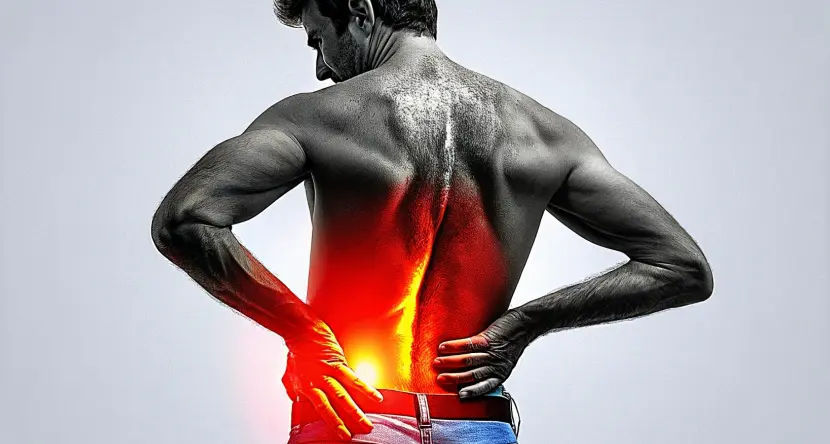
At Amuka Orthopedic Clinic Hyderabad, our spine experts treat patients suffering from chronic back pain, nerve compression and disc problems using evidence-based, non-surgical and minimally invasive techniques.
Why Does Back Pain Become Chronic?
Back pain becomes chronic when disc degeneration, nerve compression, weak core muscles and spinal misalignment are not treated in the early stages. Reduced movement allows inflammation to persist, leading to continuous nerve irritation and progressive damage.
1. Slip Disc (Herniated Disc)
A slip disc occurs when the soft cushion between the spinal bones bulges or ruptures, pressing on nearby nerves.
Common signs:
Localized lower back pain, stiffness, pain while bending, discomfort that worsens with sitting.
Learn more about Slip Disc Treatment at Amuka.
2. Sciatica
Sciatica develops when the sciatic nerve becomes compressed, often due to a slipped disc or spinal narrowing. Pain radiates from the lower back to the buttock and leg.
Common signs:
Sharp shooting pain, tingling, numbness, burning sensation in the leg.
Read about our specialized Sciatica Treatment Services.
3. Degenerative Disc Disease
Age-related disc wear and tear causes loss of disc height and elasticity, leading to chronic stiffness and pain.
4. Spinal Stenosis
Narrowing of the spinal canal compresses nerves, causing leg pain, numbness and difficulty walking.
5. Muscle Weakness & Poor Posture
Weak core muscles and incorrect posture increase stress on the spine. Our Physiotherapy Department offers posture correction and spine rehabilitation programs.
Warning Signs You Should Not Ignore
- Back pain lasting more than 2–3 weeks
- Pain radiating to the legs
- Numbness, tingling or burning sensation
- Weakness while walking
- Night pain disturbing sleep
- Loss of bladder or bowel control (emergency)
Simple Steps to Reduce Back Pain
- Avoid prolonged sitting
- Use lumbar support while working
- Stretch regularly
- Follow posture correction exercises
These measures provide temporary relief but cannot replace a professional spine evaluation.
When Should You Visit a Spine Specialist?
- Pain persists beyond 2 weeks
- Leg pain or numbness appears
- Weakness develops
- Sleep is affected by pain
- You have a history of disc problems
How Amuka Orthopedic Clinic Treats Back Pain & Sciatica
At Amuka Orthopedic Clinic Hyderabad, our spine team uses digital X-rays, MRI scans and clinical assessments to diagnose the exact cause of your pain.
Treatment options include:
- Personalized Physiotherapy & Spine Rehabilitation
- Pain & inflammation management
- Image-guided spine injections
- Minimally invasive spine surgery
Book a Spine Consultation at Amuka
If chronic back pain or sciatica is affecting your quality of life, visit Amuka Orthopedic Clinic Hyderabad for expert evaluation.
Book your appointment today and take the first step toward a pain-free, active life.
FAQs on Slip Disc & Sciatica
1. Can slip disc heal without surgery?
Yes, most patients recover with physiotherapy and lifestyle correction.
2. Is sciatica permanent?
No. With timely treatment, sciatica is usually completely reversible.
3. How long does recovery take?
Recovery typically takes 2–12 weeks depending on severity.
4. Does sitting worsen sciatica?
Yes. Prolonged sitting increases nerve compression.
5. Does Amuka provide non-surgical spine care?
Yes, we focus on conservative and minimally invasive spine treatment.