

 Living with chronic joint pain is more than just a physical challenge—it affects your independence, productivity, and overall quality of life. Simple daily activities like walking, climbing stairs, or even sitting for long periods can become uncomfortable and exhausting. Over time, this can lead to reduced mobility, inactivity, and even emotional stress.
Joint problems often develop gradually due to aging, wear and tear, injuries, or medical conditions like arthritis. When left untreated, these issues can worsen, making early diagnosis and proper treatment essential. Fortunately, with advancements in orthopedic care, joint replacement surgery has become a reliable and long-term solution for restoring mobility and eliminating persistent pain.
For residents of LB Nagar, Hyderabad, access to advanced surgical techniques and experienced specialists has made it easier than ever to regain an active and pain-free lifestyle.
What is Joint Replacement Surgery?
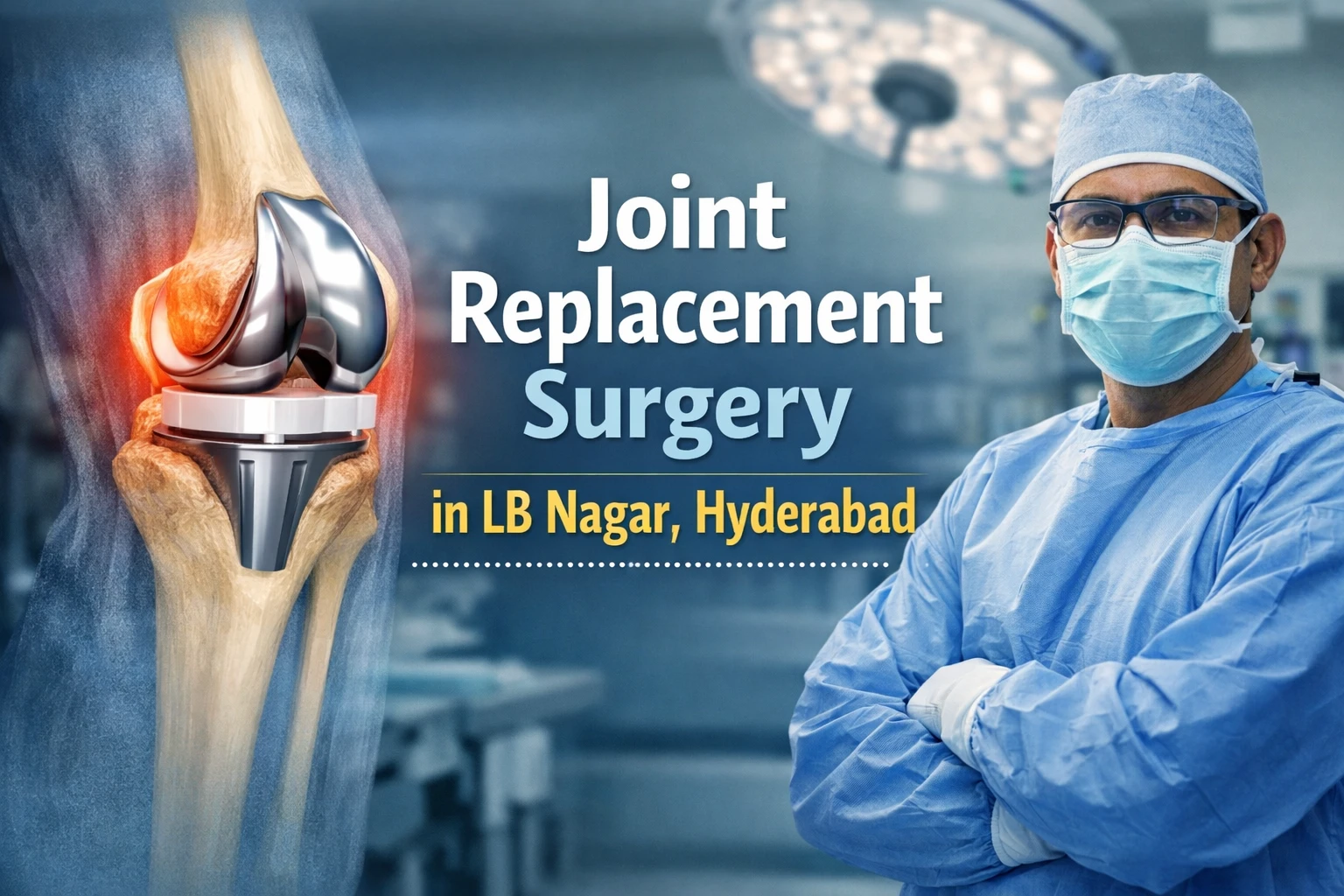
Joint replacement surgery, also known as arthroplasty, is a procedure in which damaged or worn-out parts of a joint are replaced with artificial implants. These implants are carefully designed to replicate the natural movement of joints, allowing patients to move comfortably without pain.
The procedure is typically recommended when the joint damage is severe and non-surgical treatments such as medications, injections, or physiotherapy no longer provide relief. Modern implants are highly durable and are made from advanced materials that ensure smooth movement and long-term functionality.
To understand the procedure, treatment options, and available care, you can explore joint replacement surgery services.
Who Needs Joint Replacement Surgery?
Not every joint pain requires surgery, but when the condition begins to interfere with daily life, it may be time to consider it. Many patients delay surgery due to fear or lack of awareness, which often leads to worsening symptoms and reduced quality of life.
You may be a candidate for joint replacement if you experience:
- Persistent pain even at rest or during sleep
- Difficulty walking, standing, or climbing stairs
- Joint stiffness that limits movement
- Swelling and inflammation that does not improve
- Reduced effectiveness of medications or physiotherapy
Conditions such as osteoarthritis, rheumatoid arthritis, post-traumatic injuries, or degenerative joint diseases are among the most common reasons for joint replacement surgery.
Types of Joint Replacement Procedures
Modern orthopedic care offers a range of procedures tailored to the patient’s condition, age, and activity level.
1. Knee Replacement Surgery
Knee replacement is one of the most commonly performed procedures. It involves replacing damaged cartilage and bone in the knee with artificial components that restore smooth and pain-free movement. This is especially beneficial for patients with severe arthritis.
2. Hip Replacement Surgery
Hip replacement surgery helps patients suffering from hip joint damage regain mobility and flexibility. It significantly reduces pain and improves the ability to perform everyday activities.
3. Robotic-Assisted Joint Surgery
With the introduction of advanced technology, robotic-assisted surgery has improved precision and outcomes. It allows surgeons to perform highly accurate procedures with better alignment, leading to faster recovery and longer-lasting results.
You can explore advanced techniques like robotic joint surgery.
Benefits of Joint Replacement Surgery
Joint replacement surgery is widely regarded as one of the most successful procedures in modern medicine due to its high success rate and long-term benefits.
Key Benefits Include:
- Significant and long-lasting pain relief
- Improved joint mobility and flexibility
- Enhanced ability to perform daily activities
- Better overall quality of life
- Increased independence and confidence
Patients often report a dramatic improvement in their lifestyle, allowing them to return to activities they had previously avoided due to pain.
Recovery After Joint Replacement
Recovery is a gradual but well-structured process that plays a crucial role in the success of the surgery. With proper care, most patients experience steady improvement over time.
What to Expect During Recovery:
- Early movement and walking with support within a few days
- Gradual improvement in strength and flexibility
- Return to routine activities within 4–6 weeks
- Continued improvement over several months
Physiotherapy and rehabilitation are essential components of recovery. They help strengthen the muscles around the joint, improve flexibility, and ensure long-term success of the implant.
Following your doctor’s advice, maintaining a healthy lifestyle, and staying consistent with rehabilitation exercises can significantly speed up recovery.
Why Choose Joint Replacement in LB Nagar Hyderabad?
LB Nagar is rapidly emerging as a preferred destination for advanced orthopedic care, offering a combination of experienced specialists, modern infrastructure, and patient-focused treatment.
Patients in this area benefit from:
- Access to skilled and experienced orthopedic surgeons
- Advanced surgical technologies, including minimally invasive and robotic procedures
- Comprehensive pre- and post-surgical care
- Personalized treatment plans tailored to individual needs
For expert consultation and personalized care, you can connect with the experienced orthopedic specialists.
When Should You Consult a Specialist?
Many people tend to ignore joint pain until it becomes severe, but early intervention can prevent complications and improve treatment outcomes.
You should consult a specialist if:
- Joint pain persists for weeks or months
- You experience stiffness or reduced mobility
- Pain interferes with your daily activities
- You notice swelling, instability, or discomfort in the joint
Seeking timely medical advice allows for better diagnosis and helps determine whether surgical or non-surgical treatments are appropriate.
You can also book an appointment.
Frequently Asked Questions (FAQs)
1. Is joint replacement surgery safe?
Yes, it is a well-established and safe procedure with a high success rate when performed by experienced surgeons. Modern techniques and advanced equipment further reduce risks and improve surgical outcomes.
2. How long do joint implants last?
Most modern implants last 15–20 years or longer, depending on lifestyle, activity level, and proper care. Regular follow-ups and maintaining a healthy weight can help extend the lifespan of the implant.
3. Is the recovery process difficult?
Recovery requires commitment to physiotherapy and care, but most patients gradually regain mobility and strength over time. Following post-surgery guidelines strictly can significantly speed up the healing process.
4. Will I be able to walk normally again?
Yes, most patients are able to walk comfortably and resume normal activities after recovery. Many patients also experience improved balance and confidence in movement compared to before surgery.
5. Can joint replacement improve quality of life?
Absolutely. It significantly reduces pain, restores mobility, and allows patients to return to an active and independent lifestyle. It also helps improve mental well-being by reducing discomfort and increasing daily activity levels.
Final Thoughts
Joint pain doesn’t have to define your life or limit your potential. With advancements in joint replacement surgery, patients today can achieve long-term relief, improved mobility, and a renewed sense of independence.
If you’re in LB Nagar, Hyderabad, taking the first step toward treatment can open the door to a healthier, more active future. With the right care, expert guidance, and commitment to recovery, moving pain-free is no longer just a possibility—it’s a reality.