

 Knee pain is one of the most common yet most limiting health conditions, especially as people age or experience joint injuries. What may begin as occasional discomfort can gradually progress into persistent pain, stiffness, and reduced mobility. Over time, this can interfere with everyday activities such as walking, sitting, climbing stairs, or even sleeping comfortably.
In many cases, knee joint damage is caused by conditions like osteoarthritis, rheumatoid arthritis, or long-term wear and tear. When non-surgical treatments such as medication, physiotherapy, or injections fail to provide relief, surgical intervention becomes necessary.
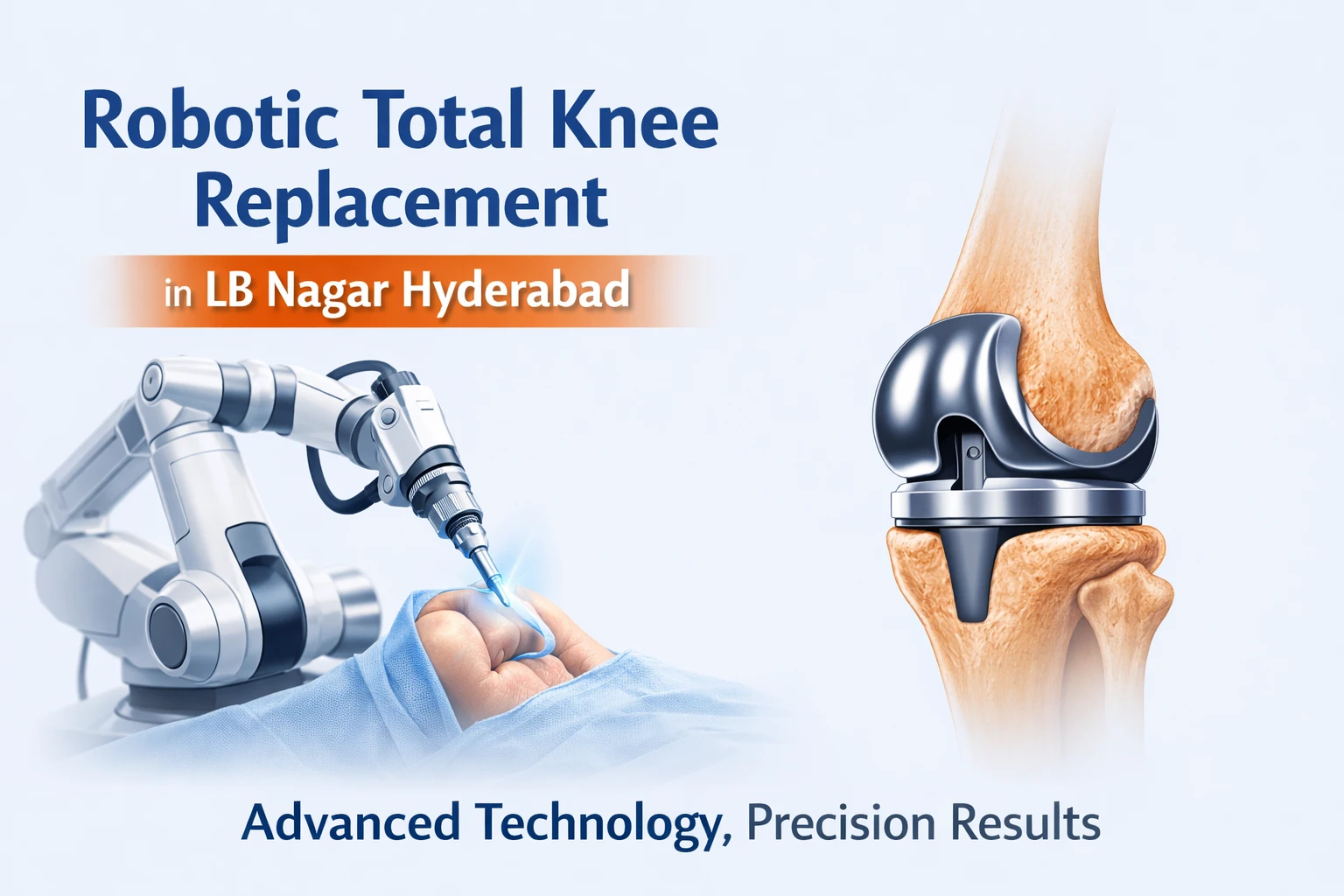
Today, advancements in medical technology have transformed traditional procedures into more precise and effective solutions. Robotic total knee replacement is one such breakthrough, offering patients in LB Nagar, Hyderabad a safer, more accurate, and long-lasting option for complete knee restoration.
What is Robotic Total Knee Replacement?
Robotic total knee replacement is an advanced orthopedic procedure where the entire damaged knee joint is replaced using robotic-assisted technology. Unlike partial knee replacement, this procedure addresses all compartments of the knee, making it ideal for patients with severe or widespread joint damage.
The robotic system helps create a highly detailed 3D model of the patient’s knee, allowing surgeons to plan every step of the surgery with precision. This ensures accurate implant placement, improved alignment, and better joint function after the procedure.
To explore more about treatment approaches, you can visit joint replacement surgery services.
How Robotic Technology Enhances Knee Replacement
The integration of robotics into orthopedic surgery has significantly improved the accuracy and predictability of outcomes. Unlike traditional methods that rely heavily on manual alignment, robotic systems provide real-time data and guidance during surgery.
Key Enhancements Include:
1. Precision-Based Planning
The procedure begins with detailed imaging that allows surgeons to create a customized surgical plan. This ensures that every aspect of the surgery is tailored to the patient’s anatomy.
2. Accurate Implant Positioning
Even slight misalignment in traditional surgery can affect long-term results. Robotic assistance ensures optimal placement, improving joint performance and longevity.
3. Controlled Surgical Execution
The system provides real-time feedback, allowing the surgeon to make precise adjustments during the procedure.
4. Preservation of Healthy Tissue
By focusing only on the damaged areas, robotic surgery minimizes unnecessary tissue disruption, leading to reduced pain and faster healing.
5. Consistent and Predictable Outcomes
With improved accuracy and planning, patients often experience more consistent results and better functional recovery.
For more insights into advanced surgical techniques, you can explore robotic joint surgery.
Who is an Ideal Candidate?
Robotic total knee replacement is typically recommended for patients with advanced knee joint damage affecting their quality of life. Many individuals delay surgery, hoping the pain will subside, but early intervention often leads to better outcomes.
You may be a suitable candidate if you:
- Experience severe knee pain even at rest
- Have limited mobility or stiffness in the joint
- Struggle with daily activities like walking or climbing stairs
- Have been diagnosed with advanced arthritis
- Have not found relief through non-surgical treatments
A detailed evaluation helps determine whether total knee replacement is the right option and whether robotic assistance can offer additional benefits.
Step-by-Step Overview of the Procedure
1. Pre-Surgical Assessment
Before surgery, a comprehensive evaluation is conducted, including imaging tests, physical examination, and medical history review. This allows for precise planning and risk assessment.
2. Surgical Procedure
During the operation, the robotic system assists the surgeon in performing highly accurate bone cuts and implant placement. The surgeon remains in complete control while using the technology as a precision tool.
3. Post-Surgical Care
After surgery, patients are encouraged to begin gentle movement early to prevent stiffness and promote healing. Pain management, wound care, and physiotherapy are essential parts of recovery.
Recovery and Rehabilitation
One of the major advantages of robotic total knee replacement is a smoother and often faster recovery process. However, recovery still requires active participation from the patient.
Recovery Timeline:
- Walking with assistance within 24–48 hours
- Gradual improvement in mobility within a few weeks
- Return to daily activities within 4–6 weeks
- Continued strengthening and recovery over several months
Physiotherapy plays a critical role in restoring joint strength, flexibility, and balance. Patients who follow their rehabilitation plan consistently tend to achieve better long-term results.
Why Choose Robotic Knee Replacement in LB Nagar, Hyderabad?
LB Nagar has become an emerging hub for advanced orthopedic care, offering access to modern medical infrastructure and experienced specialists. Patients in this region benefit from a combination of technology-driven treatments and personalized care.
Choosing a well-equipped center ensures:
- Access to advanced robotic-assisted systems
- Experienced orthopedic surgeons
- Customized treatment and recovery plans
- Comprehensive support from diagnosis to rehabilitation
At Amuka Orthopedic, patients receive carefully planned treatment backed by modern technology and a patient-focused approach, ensuring both safety and effective outcomes.
When Should You Consult a Specialist?
Many people tend to ignore knee pain until it becomes severe, but early consultation can prevent complications and improve treatment success.
You should seek medical advice if:
- Pain persists for an extended period
- Mobility becomes restricted
- You experience swelling or instability
- Daily activities become difficult or painful
Timely diagnosis allows for better treatment planning and helps avoid further joint deterioration.
You can also book an appointment.
Frequently Asked Questions (FAQs)
1. What makes robotic total knee replacement different from traditional surgery?
Robotic-assisted surgery provides enhanced precision and better alignment compared to conventional methods. This results in improved joint function, reduced wear on the implant, and better long-term outcomes.
2. Is robotic total knee replacement safe?
Yes, it is a safe and advanced procedure when performed by experienced specialists. The use of technology reduces the chances of error and improves overall surgical accuracy.
3. How long does recovery take after robotic knee replacement?
Initial recovery begins within a few weeks, while full recovery may take a few months. Consistent physiotherapy and follow-up care are essential for achieving the best results.
4. Will I be able to return to normal activities?
Most patients regain the ability to perform daily activities comfortably after recovery. Low-impact activities such as walking and light exercise are usually encouraged.
5. How long do knee implants last?
Modern knee implants are designed to last 15–20 years or more with proper care. Maintaining a healthy lifestyle and avoiding excessive strain can help extend their lifespan.
Final Thoughts
Robotic total knee replacement is redefining orthopedic care by combining surgical expertise with advanced technology. It offers patients a more precise, less invasive, and highly effective solution for chronic knee pain.
For individuals in LB Nagar, Hyderabad, access to such advanced treatment means better outcomes, faster recovery, and a renewed sense of mobility. With the right guidance and care—such as that provided at Amuka Orthopedic—patients can confidently take the next step toward a pain-free and active life.