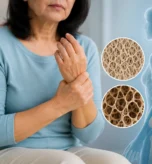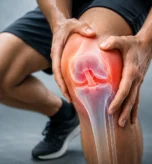


Your joints play a vital role in every movement you make — from walking and climbing stairs to exercising, working, and enjoying daily life. Healthy joints allow you to stay active, independent, and pain-free. However, joint health is often neglected until pain, stiffness, or reduced mobility begins affecting everyday activities.
The good news is that with the right habits, preventive care, and timely treatment, you can protect your joints at every stage of life. At Amuka Orthopedic Clinic Hyderabad, our orthopedic specialists focus on long-term joint health through preventive care, early diagnosis, and advanced treatment options.
Whether you are in your 20s building strength, in your 40s managing early joint stiffness, or in your 60s dealing with arthritis, understanding how to care for your joints can help you maintain mobility for years to come.
Why Joint Health Matters
Joints are where two or more bones meet. They are supported by cartilage, ligaments, tendons, muscles, and synovial fluid that work together to provide smooth movement. Over time, aging, injuries, poor posture, obesity, and repetitive stress can wear down the joints and lead to pain or arthritis.
Common joint problems include:
- Osteoarthritis
- Rheumatoid arthritis
- Sports injuries
- Cartilage damage
- Ligament tears
- Joint stiffness and inflammation
Taking care of your joints early can significantly reduce the risk of severe orthopedic conditions later in life.
Joint Care in Your 20s: Build a Strong Foundation
Your 20s are the ideal time to strengthen your bones and joints for long-term health. Most people at this age are active, but improper exercise techniques and poor lifestyle habits can lead to future problems.
Key joint health tips for your 20s:
- Exercise regularly to strengthen muscles around joints
- Maintain proper posture while studying or working
- Use correct form during workouts and sports
- Eat calcium and protein-rich foods
- Avoid smoking and excessive alcohol
- Maintain a healthy body weight
Sports injuries such as ACL tears, shoulder instability, and ankle sprains are common during this age. Early treatment and physiotherapy help prevent long-term joint damage.
Joint Care in Your 30s & 40s: Prevent Wear and Tear
As people enter their 30s and 40s, long working hours, sedentary lifestyles, and stress begin affecting joint flexibility and posture. Early symptoms like knee stiffness, neck pain, and lower back discomfort often appear during this phase.
Common causes of joint strain in this age group:
- Long sitting hours
- Weight gain
- Lack of exercise
- Repetitive movements
- Poor ergonomics
Protect your joints by:
- Taking movement breaks every hour
- Doing flexibility and strengthening exercises
- Using ergonomic chairs and workstations
- Managing stress and sleep
- Addressing pain early before it becomes chronic
At Amuka Orthopedic Clinic, our orthopedic specialists often recommend preventive physiotherapy and posture correction programs for working professionals.
Joint Care After 50: Managing Arthritis & Bone Health
After 50, joints naturally begin losing cartilage and flexibility. Conditions such as osteoarthritis, osteoporosis, and degenerative joint disease become more common.
Symptoms to watch for:
- Knee pain while walking
- Morning stiffness
- Swollen joints
- Reduced mobility
- Difficulty climbing stairs
Joint protection strategies after 50:
- Continue low-impact exercise like walking or swimming
- Maintain Vitamin D and calcium intake
- Manage body weight to reduce knee stress
- Get regular orthopedic check-ups
- Strengthen muscles around affected joints
Early intervention can delay or even avoid the need for surgery in many patients.

Best Foods for Healthy Joints
Your diet directly affects inflammation, bone density, and cartilage health.
| Food Type | Benefits for Joints |
|---|---|
| Fatty Fish | Rich in Omega-3 to reduce inflammation |
| Leafy Greens | Provide calcium and antioxidants |
| Nuts & Seeds | Support cartilage and bone health |
| Milk & Dairy | Strengthen bones with calcium |
| Fruits | Vitamin C supports collagen formation |
Habits That Damage Your Joints
Some everyday habits silently increase stress on your joints and accelerate cartilage wear.
- Sitting for prolonged periods
- Ignoring joint pain or injuries
- High-impact exercise without warm-up
- Smoking and alcohol consumption
- Carrying excess body weight
- Poor posture while working or sleeping
Correcting these habits early can significantly improve long-term joint health.
When Should You Visit an Orthopedic Specialist?
Consult an orthopedic doctor if you experience:
- Persistent joint pain lasting more than 2 weeks
- Swelling or redness around joints
- Difficulty walking or climbing stairs
- Reduced flexibility or stiffness
- Joint pain affecting sleep or daily activities
Early diagnosis helps prevent worsening joint damage and improves treatment outcomes.
How Amuka Orthopedic Clinic Helps Protect Your Joint Health
At Amuka Orthopedic Clinic Hyderabad, we provide comprehensive orthopedic care for patients of all ages.
Our services include:
- Joint pain evaluation
- Sports injury treatment
- Arthroscopy and ligament repair
- Arthritis management
- Joint replacement surgery
- Physiotherapy and rehabilitation
Our goal is to help patients maintain mobility, reduce pain, and enjoy active lifestyles at every age.
Book Your Joint Health Consultation at Amuka
Your joints support you every day — taking care of them now can prevent major orthopedic problems in the future. Whether you are experiencing early stiffness or chronic joint pain, expert care can make all the difference.
Book your consultation today at Amuka Orthopedic Clinic and take the first step toward stronger, healthier joints for life.
FAQs on Joint Health
1. At what age should I start caring for my joints?
Joint care should begin early in life through exercise, healthy eating, and proper posture.
2. Can exercise improve joint health?
Yes. Low-impact exercise strengthens muscles and improves flexibility, reducing joint stress.
3. Is knee pain always a sign of arthritis?
No. Knee pain may result from injuries, overuse, inflammation, or cartilage damage.
4. Which exercises are safest for joints?
Walking, swimming, yoga, and cycling are generally safe low-impact options.
5. Does Amuka offer preventive orthopedic care?
Yes. We provide joint assessments, physiotherapy, arthritis care, and preventive orthopedic guidance.