

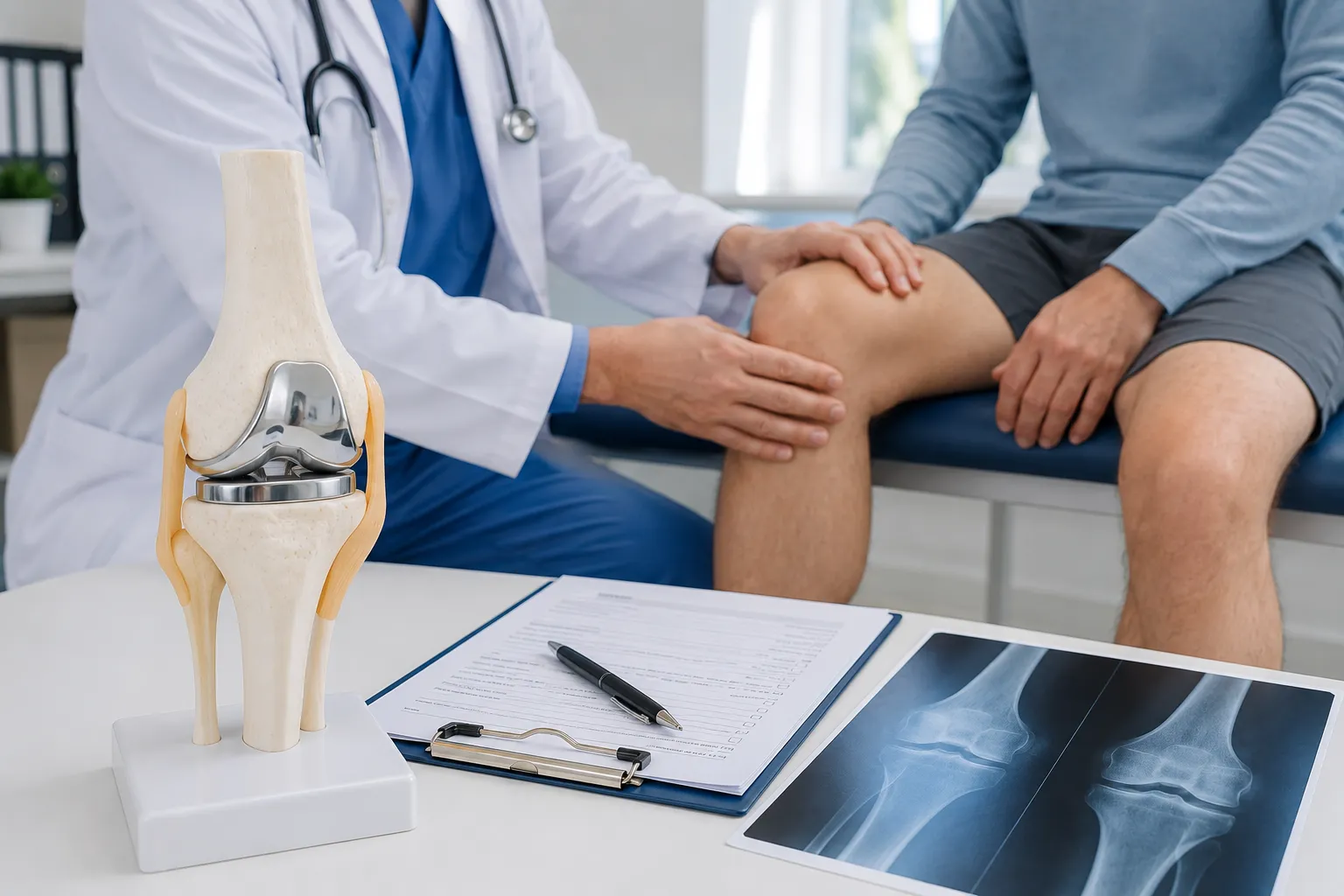
Knee replacement surgery is one of the most successful orthopedic procedures for relieving chronic knee pain caused by severe arthritis, joint degeneration, or injury. However, a successful outcome depends not only on the surgery itself but also on thorough pre-operative evaluation. Before undergoing knee replacement surgery, your orthopedic surgeon will recommend several tests to ensure you are medically fit and to minimize the risk of complications.
If you’re wondering “What tests are done before knee replacement surgery?”, this guide explains the most common investigations, why they are necessary, and how they help your surgeon plan a safe and successful procedure.
At Amuka Orthopedic Clinic Hyderabad, every patient undergoes a comprehensive pre-surgical assessment to ensure personalized care, improved surgical precision, and faster recovery.
Why Are Pre-Surgery Tests Important?
Every patient is different. Factors such as age, existing medical conditions, medications, and overall health can affect the success of surgery. Pre-operative investigations help your orthopedic surgeon and anesthesiologist understand your health status and prepare you safely for the procedure.
These tests help to:
- Evaluate your overall health
- Identify underlying medical conditions
- Reduce surgical and anesthesia risks
- Plan the safest treatment approach
- Improve post-operative recovery
1. Blood Tests
Blood tests are one of the first investigations performed before knee replacement surgery. They provide important information about your general health and detect conditions that may require treatment before surgery.
Common blood investigations include:
- Complete Blood Count (CBC)
- Blood Sugar (Fasting & HbA1c)
- Kidney Function Tests (KFT)
- Liver Function Tests (LFT)
- Electrolyte Levels
- Blood Group & Cross Matching
- Coagulation Profile (PT/INR)
These tests help identify anemia, infection, diabetes, kidney disease, bleeding disorders, and other conditions that may affect surgery.
2. Digital X-Rays of the Knee
X-rays help your orthopedic surgeon assess the severity of arthritis, joint deformity, bone alignment, and cartilage loss.
They assist in:
- Confirming the diagnosis
- Planning implant size and positioning
- Determining whether total or partial knee replacement is appropriate
3. MRI Scan (When Required)
Although not required for every patient, an MRI scan may be recommended in selected cases where additional information about ligaments, cartilage, meniscus, or surrounding soft tissues is needed.
MRI is particularly useful for younger patients or those with complex knee conditions.
4. Electrocardiogram (ECG)
An ECG evaluates the electrical activity of your heart and helps identify heart rhythm abnormalities or previous cardiac issues.
This investigation is especially important for:
- Patients above 40 years
- People with hypertension
- Patients with diabetes
- Individuals with a history of heart disease
5. Chest X-Ray
A chest X-ray helps assess lung health and detect any respiratory or cardiac conditions that could increase anesthesia-related risks.
It is commonly performed in older adults and patients with respiratory illnesses.
6. Blood Pressure Assessment
High blood pressure should be well controlled before surgery to reduce the risk of complications during and after the procedure.
Your doctor may adjust medications if necessary before surgery.
7. Diabetes Evaluation
Patients with diabetes require careful monitoring because uncontrolled blood sugar increases the risk of infection and delays wound healing.
Tests commonly include:
- Fasting Blood Sugar
- Post-Meal Blood Sugar
- HbA1c
Your orthopedic surgeon may coordinate with your physician or diabetologist before surgery.
8. Urine Examination
A urine test checks for urinary tract infections, kidney function issues, and other abnormalities that should be treated before surgery.
Any active infection is typically managed before proceeding with joint replacement.
9. Dental Evaluation (If Required)
Patients with active dental infections may be advised to complete dental treatment before knee replacement. Untreated infections elsewhere in the body can increase the risk of implant infection.
10. Medical Fitness Assessment
Depending on your medical history, consultations with other specialists may be required before surgery, including:
- Physician
- Cardiologist
- Pulmonologist
- Endocrinologist
This multidisciplinary approach ensures you are medically optimized before surgery.
Pre-Knee Replacement Investigation Checklist
| Investigation | Purpose |
|---|---|
| Blood Tests | Overall health assessment |
| Digital Knee X-ray | Assess arthritis and joint damage |
| MRI (selected patients) | Evaluate ligaments and cartilage |
| ECG | Heart fitness for surgery |
| Chest X-ray | Assess lung and heart health |
| Blood Sugar Tests | Diabetes evaluation |
| Urine Test | Rule out infection |
| Medical Fitness | Overall surgical clearance |
How Should You Prepare Before Surgery?
Along with medical tests, your orthopedic team may recommend:
- Weight management if required
- Pre-operative physiotherapy
- Smoking cessation
- Blood pressure and diabetes control
- Medication review
- Home preparation for post-surgery recovery
Good preparation contributes significantly to smoother rehabilitation and better long-term outcomes.
Why Choose Amuka Orthopedic Clinic for Knee Replacement?
At Amuka Orthopedic Clinic Hyderabad, every patient receives comprehensive pre-operative evaluation before surgery.
Our services include:
- Advanced Joint Replacement Surgery
- Robotic Knee Replacement
- Complete pre-operative assessment
- Digital imaging and diagnostics
- Physiotherapy and rehabilitation
- Personalized patient education
Our experienced orthopedic team ensures that patients are fully prepared before surgery and supported throughout recovery.
Book Your Knee Replacement Consultation
If you’re considering knee replacement surgery and want to understand your treatment options, schedule a consultation with the orthopedic specialists at Amuka Orthopedic Clinic Hyderabad.
👉 Contact us today for expert evaluation, advanced treatment, and complete guidance before your surgery.
Frequently Asked Questions
1. Are all these tests mandatory before knee replacement?
Most tests are routinely performed, while additional investigations depend on your age, medical history, and overall health.
2. Will I need an MRI before knee replacement?
Not always. X-rays are sufficient in most cases. MRI is recommended only when additional information is needed.
3. Can uncontrolled diabetes delay surgery?
Yes. Good blood sugar control is important to reduce infection risk and promote proper healing.
4. How long before surgery should these tests be completed?
Most investigations are performed within a few days to a few weeks before surgery, depending on your doctor’s recommendations.
5. Does Amuka provide complete pre-operative evaluation?
Yes. Amuka Orthopedic Clinic offers comprehensive assessment, imaging, medical fitness evaluation, and personalized surgical planning.