
Robotic-assisted joint replacement surgery has transformed modern orthopedic care by offering greater precision, personalized treatment, and faster recovery. Despite its growing popularity, many patients still have one important question before considering surgery:
“Is robotic surgery safe?”
The simple answer is yes. When performed by a trained and experienced orthopedic surgeon, robotic-assisted joint replacement is considered a safe, accurate, and effective option for treating advanced knee and hip arthritis.
At Amuka Orthopedic Clinic Hyderabad, we believe that patients should fully understand their treatment options before making any decision. This guide explains how robotic surgery works, its safety, benefits, possible risks, and why more orthopedic surgeons are choosing robotic technology for joint replacement procedures.
What Is Robotic Joint Replacement Surgery?
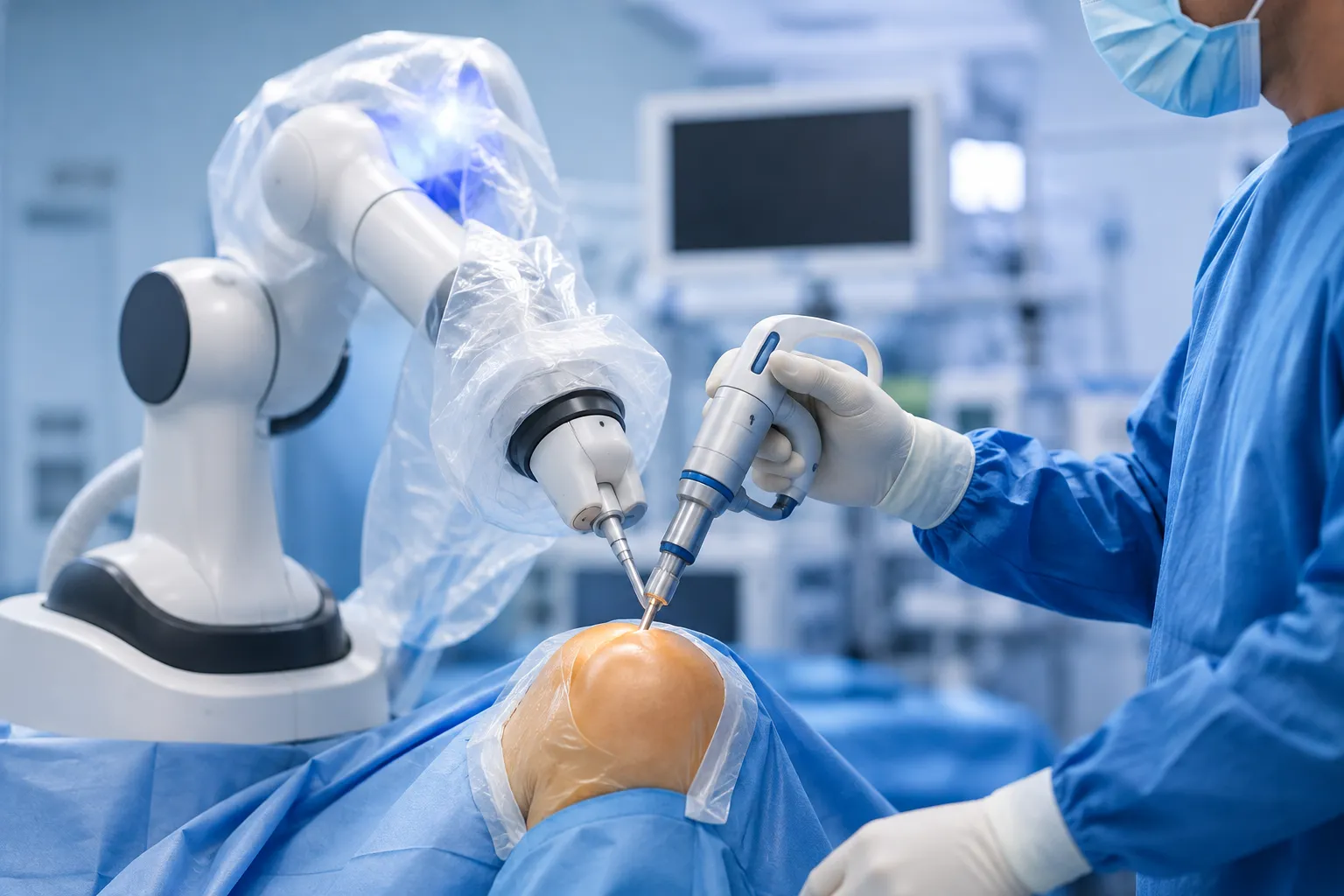
Robotic joint replacement is an advanced surgical technique that combines the expertise of an orthopedic surgeon with computer-assisted robotic technology.
Contrary to popular belief, the robot does not perform the surgery independently. Every step of the procedure is performed by the orthopedic surgeon, while the robotic system provides real-time guidance, highly accurate measurements, and precise implant positioning.
The technology creates a detailed three-dimensional map of the patient’s joint, allowing the surgeon to plan the procedure according to the patient’s unique anatomy.
Is Robotic Surgery Really Safe?
Yes. Robotic-assisted joint replacement has been widely adopted around the world because it improves surgical accuracy while maintaining high safety standards.
The robotic system acts as an intelligent surgical assistant by helping the surgeon:
- Plan surgery before the procedure begins
- Measure bone alignment with exceptional precision
- Guide implant positioning accurately
- Avoid unnecessary removal of healthy bone
- Protect surrounding ligaments and soft tissues
Because every movement is controlled by the surgeon, patients receive the benefits of advanced technology without losing the experience and judgment of a skilled orthopedic specialist.
How Robotic Surgery Improves Safety
| Traditional Joint Replacement | Robotic-Assisted Joint Replacement |
|---|---|
| Manual measurements | Computer-guided planning |
| Standard implant positioning | Highly personalized implant placement |
| Greater dependence on manual estimation | Real-time surgical guidance |
| More soft tissue disruption | Better preservation of surrounding tissues |
| Recovery varies | Often associated with smoother rehabilitation |
Benefits of Robotic Joint Replacement
Patients undergoing robotic-assisted surgery may experience several advantages, including:
- Greater surgical precision
- Improved joint alignment
- More natural joint movement
- Reduced damage to surrounding muscles and ligaments
- Less postoperative pain
- Smaller incisions in selected cases
- Lower blood loss during surgery
- Faster rehabilitation
- Earlier return to daily activities
- Potentially longer implant lifespan due to accurate positioning
While recovery varies from patient to patient, many individuals report improved confidence and mobility following robotic joint replacement.
Who Can Benefit from Robotic Surgery?
Robotic-assisted joint replacement is commonly recommended for patients with:
- Advanced knee osteoarthritis
- Hip arthritis
- Severe joint degeneration
- Chronic joint pain affecting daily life
- Limited mobility despite medications and physiotherapy
- Joint deformities requiring precise correction
During your consultation at Amuka Orthopedic Clinic, your orthopedic surgeon will determine whether robotic-assisted surgery is the right option based on your condition and overall health.
Are There Any Risks?
Like any surgical procedure, robotic joint replacement carries general surgical risks such as infection, bleeding, blood clots, anesthesia-related complications, or implant-related issues. However, these risks are not unique to robotic surgery.
Robotic technology is designed to improve surgical accuracy and may help reduce certain procedure-related challenges. The overall outcome depends on several factors, including the patient’s health, the severity of joint disease, rehabilitation, and the experience of the orthopedic surgeon.
Common Myths About Robotic Surgery
Myth 1: The robot performs the surgery alone.
Fact: The orthopedic surgeon performs every step. The robotic system simply provides advanced guidance and precision.
Myth 2: Robotic surgery is experimental.
Fact: Robotic-assisted joint replacement has been successfully performed worldwide for many years and is supported by extensive clinical experience.
Myth 3: Recovery is instant.
Fact: Recovery is often faster than traditional surgery, but physiotherapy and rehabilitation remain essential.
Myth 4: Every patient needs robotic surgery.
Fact: Treatment is individualized. Some patients benefit from robotic-assisted surgery, while others may be better suited to conventional techniques or non-surgical treatment.
Why Choose Amuka Orthopedic Clinic?
At Amuka Orthopedic Clinic Hyderabad, we combine orthopedic expertise with advanced technology to provide personalized joint care.
Our orthopedic services include:
- Joint Replacement Surgery
- Robotic Knee Replacement
- Hip Replacement Surgery
- Arthroscopy
- Sports Injury Treatment
- Physiotherapy and Rehabilitation
Our team focuses on patient education, evidence-based treatment, and comprehensive rehabilitation to help patients regain pain-free mobility.
When Should You Consult an Orthopedic Surgeon?
You should seek orthopedic evaluation if you experience:
- Persistent knee or hip pain
- Difficulty walking or climbing stairs
- Joint stiffness lasting several months
- Pain affecting sleep
- Poor response to medications or physiotherapy
- Reduced quality of life because of joint pain
Early diagnosis allows more treatment options and may delay the progression of arthritis.
Book Your Consultation at Amuka Orthopedic Clinic
If you’re considering knee or hip replacement surgery and want to learn whether robotic-assisted surgery is the right choice for you, consult the orthopedic specialists at Amuka Orthopedic Clinic Hyderabad.
Schedule your consultation today and receive a personalized treatment plan designed to restore mobility and improve your quality of life.
Frequently Asked Questions
1. Is robotic joint replacement safer than traditional surgery?
Robotic-assisted surgery offers greater precision and implant positioning while the procedure remains fully controlled by the orthopedic surgeon.
2. Does the robot perform the surgery?
No. The surgeon performs the operation, while the robotic system provides guidance and accuracy.
3. Is robotic surgery more painful?
No. Many patients experience less postoperative pain because robotic surgery is designed to minimize unnecessary tissue damage.
4. How long does recovery take?
Most patients resume routine daily activities within several weeks, although full recovery varies depending on the individual and rehabilitation program.
5. Is robotic surgery suitable for everyone?
No. Your orthopedic surgeon will determine whether robotic-assisted surgery is appropriate based on your condition, overall health, and treatment goals.